
Slovenian Statehood Day
2026Thursday, June 25
Quick Facts
- Date
- Thursday, June 25, 2026
- Observed in
- Slovenia
- Type
- Cultural Holiday
What is Slovenian Statehood Day?
Slovenian Statehood Day (Dan drzavnosti) is Slovenia's national holiday, celebrated on June 25th each year. It commemorates the declaration of independence from Yugoslavia in 1991, marking the birth of the modern Republic of Slovenia.
This day holds profound significance for Slovenians as it represents the culmination of their aspirations for self-determination and the establishment of an independent, democratic nation. After decades as part of Yugoslavia, Slovenia became the first republic to formally declare independence.
June 25th is a public holiday throughout Slovenia, with government offices, schools, and most businesses closed. It is one of two independence-related holidays, the other being Independence and Unity Day on December 26th.
When is Slovenian Statehood Day 2026?
Slovenian Statehood Day is on Thursday, June 25 in 2026. Check the dates and days for other years in the table below.
History & Origin
Slovenia's path to independence began with growing nationalist movements in the late 1980s as Yugoslavia faced economic and political crises. The Slovenian Spring of 1988 saw mass demonstrations demanding democratic reforms and greater autonomy.
On December 23, 1990, Slovenians voted overwhelmingly for independence in a referendum, with 88.5% supporting separation from Yugoslavia. The republic then began preparations for the formal declaration.
On June 25, 1991, the Slovenian Assembly declared independence from the Socialist Federal Republic of Yugoslavia. The same day, Croatia also declared independence. The Slovenian flag was raised at midnight at Ljubljana's Congress Square.
The Ten-Day War (June 27 - July 7, 1991) followed as the Yugoslav People's Army attempted to reassert control. Slovenian Territorial Defence forces successfully defended the country's independence. The Brioni Agreement on July 7th led to a ceasefire and eventual international recognition.
Slovenia became a member of the United Nations in 1992, joined NATO in 2004, and the European Union in 2004, becoming the first former Yugoslav republic to adopt the euro in 2007.
How It's Celebrated
Official State Ceremony: The main celebration takes place at Congress Square (Kongresni trg) in Ljubljana, featuring the ceremonial raising of the national flag, speeches by the President and other dignitaries, and the playing of the national anthem "Zdravljica."
Military Parade: A ceremonial military parade and honor guard formations are part of the official celebrations, showcasing Slovenia's armed forces.
Wreath-Laying Ceremonies: Officials lay wreaths at monuments honoring those who fought for Slovenian independence, including at the Memorial Park in Ljubljana.
Cultural Events: Concerts, exhibitions, and theatrical performances take place throughout the country, celebrating Slovenian culture and history.
Fireworks: Many cities and towns conclude the celebrations with fireworks displays in the evening.
Open-Air Festivities: Public squares host festivals with music, traditional food, and entertainment for families.
Church Services: Special services of thanksgiving are held in churches across Slovenia.
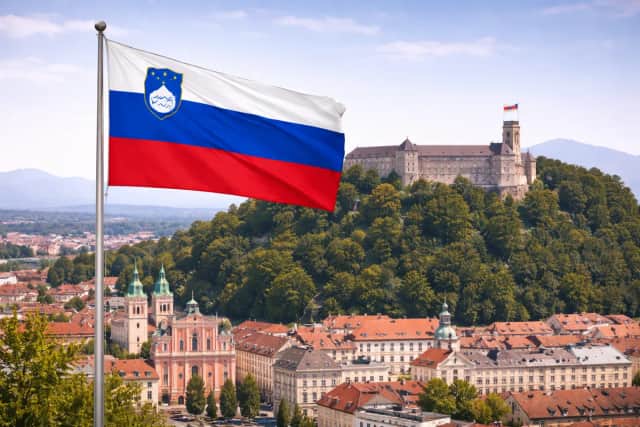
Flag Display: Citizens display the Slovenian flag (white, blue, and red with the national coat of arms) on homes and buildings.
Where It's Observed
Slovenian Statehood Day is a public holiday in 1 country. In 2026, it falls on Thursday, June 25.
Fun Facts
- Slovenia was the first Yugoslav republic to declare independence and successfully defend it
- The independence referendum in 1990 saw an 88.5% vote in favor, with a 93.2% turnout
- The Ten-Day War resulted in relatively few casualties: 19 Slovenian deaths compared to 44 Yugoslav Army casualties
- Slovenia is the only former Yugoslav state to have joined both NATO and the Eurozone
- The Slovenian national anthem 'Zdravljica' (A Toast) is the only national anthem based on a drinking toast
- Slovenia's population at independence was about 2 million, making it one of Europe's smaller nations
- The country achieved international recognition remarkably quickly, with the EU recognizing Slovenia in January 1992
- Slovenia was the first post-communist country to hold the presidency of the Council of the European Union in 2008
Frequently Asked Questions
Why does Slovenia celebrate Statehood Day on June 25th?
June 25, 1991 is the date when Slovenia formally declared independence from Yugoslavia. The Slovenian Assembly passed the declaration, and the national flag was raised at midnight at Congress Square in Ljubljana, marking the birth of the independent Republic of Slovenia.
What is the difference between Statehood Day and Independence Day in Slovenia?
Statehood Day (June 25) marks the actual declaration of independence in 1991, while Independence and Unity Day (December 26) commemorates the announcement of the independence referendum results in 1990. Both are public holidays.
What was the Ten-Day War?
The Ten-Day War (June 27 - July 7, 1991) was a brief military conflict between Slovenia and the Yugoslav People's Army following the independence declaration. Slovenia successfully defended its independence, and the conflict ended with the Brioni Agreement.
Is Slovenian Statehood Day a public holiday?
Yes, June 25th is a national public holiday in Slovenia. Government offices, banks, schools, and most businesses are closed. Public transportation operates on a holiday schedule.
How do Slovenians celebrate Statehood Day?
Celebrations include official ceremonies at Congress Square in Ljubljana, military parades, cultural events, concerts, and fireworks. Citizens display national flags, and families gather for celebrations. Many towns host local festivities.
When did Slovenia join the European Union?
Slovenia joined the European Union on May 1, 2004, becoming the first former Yugoslav republic to do so. It later became the first former communist country to adopt the euro in 2007.
Travel Inspiration
Planning a trip around Slovenian Statehood Day? Explore our travel guides for destinations where this holiday is celebrated.


