
Carinthian Plebiscite Day
2026Saturday, October 10
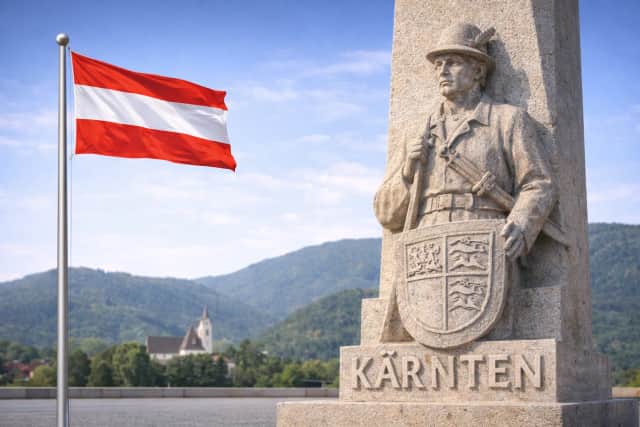
Quick Facts
- Date
- Saturday, October 10, 2026
- Observed in
- Austria
- Type
- Cultural Holiday
What is Carinthian Plebiscite Day?
Carinthian Plebiscite Day (Kärntner Volksabstimmung) is a regional holiday in the Austrian state of Carinthia (Kärnten), observed on October 10th each year. It commemorates the historic 1920 plebiscite in which the population of southern Carinthia voted to remain part of Austria rather than join the newly formed Kingdom of Serbs, Croats, and Slovenes (later Yugoslavia).
This day holds profound significance for Carinthian identity, representing the democratic decision of the people to determine their own national belonging. The plebiscite was a peaceful resolution to a territorial dispute that had threatened to tear the region apart after World War I.
October 10th is a public holiday only in the state of Carinthia, not throughout Austria. Schools and many businesses close, and the day is marked by official ceremonies and commemorative events.
When is Carinthian Plebiscite Day 2026?
Carinthian Plebiscite Day is on Saturday, October 10 in 2026. Check the dates and days for other years in the table below.
History & Origin
After the collapse of the Austro-Hungarian Empire in 1918, the newly formed state of Yugoslavia laid claim to parts of Carinthia, particularly the areas with significant Slovenian-speaking populations. Yugoslav forces occupied southern Carinthia in November 1918, leading to armed conflict.
The Carinthian Defensive War (Kärntner Abwehrkampf) lasted from December 1918 to June 1919, with local volunteer forces resisting Yugoslav occupation. The Treaty of Saint-Germain (1919) stipulated that a plebiscite would decide the region's fate.
The plebiscite zone was divided into Zone A (southern, with mixed population) and Zone B (northern, with German-speaking majority). On October 10, 1920, the vote in Zone A resulted in 59.04% voting to remain with Austria. This decisive result meant Zone B's vote was unnecessary.
Remarkably, approximately 40% of Slovenian speakers in Zone A voted to remain with Austria, demonstrating that cultural ties and economic considerations often transcended ethnic lines. The result was officially recognized by the League of Nations.
How It's Celebrated
Official State Ceremony: The main commemoration takes place at the Carinthian State Parliament (Landhaus) in Klagenfurt, with speeches by the Governor (Landeshauptmann) and other dignitaries.
Memorial Services: Wreath-laying ceremonies are held at war memorials and monuments dedicated to the defenders of 1918-1919 and the plebiscite.
Church Services: Ecumenical services are held in both German and Slovenian, reflecting the region's bilingual heritage.
Folk Celebrations: Traditional music, folk dancing (Volkstanz), and regional costumes (Tracht) are featured at cultural events throughout Carinthia.
Historical Exhibitions: Museums offer special exhibitions about the plebiscite period, the Defensive War, and Carinthian history.
Torchlight Processions: In some communities, evening torchlight processions (Fackelzüge) commemorate the historic vote.
Flag Displays: The Carinthian flag (yellow-red-white) is prominently displayed on public buildings, homes, and businesses.
School Programs: Educational programs help younger generations understand the significance of the day.
Where It's Observed
Fun Facts
- About 40% of Slovenian speakers in Zone A voted to remain with Austria in 1920, defying ethnic expectations
- The plebiscite result was 59.04% for Austria and 40.96% for Yugoslavia in Zone A
- The Carinthian Defensive War was fought largely by civilian volunteers, not regular military forces
- October 10th is the only Austrian state holiday that commemorates a plebiscite
- The plebiscite was supervised by an international commission including British, French, and Italian representatives
- Women voted in the Carinthian plebiscite, as Austria had granted women's suffrage in 1918
- The original plebiscite protocol documents are preserved in the Carinthian State Archives
- Carinthia's official anthem 'Kärntner Heimatlied' is sung at all plebiscite commemorations
Frequently Asked Questions
What was the Carinthian Plebiscite?
The Carinthian Plebiscite was a referendum held on October 10, 1920, to decide whether southern Carinthia would remain part of Austria or join the Kingdom of Serbs, Croats, and Slovenes (later Yugoslavia). The population voted 59.04% to remain with Austria.
Why did Yugoslavia claim Carinthia?
After World War I and the collapse of Austria-Hungary, Yugoslavia claimed southern Carinthia due to its significant Slovenian-speaking population. The region had economic importance and strategic value, leading to armed conflict before the plebiscite was arranged.
Is Carinthian Plebiscite Day a public holiday throughout Austria?
No, October 10th is a public holiday only in the state of Carinthia (Kärnten). In the rest of Austria, it is a regular working day. Schools and many businesses in Carinthia close for the day.
What was the Carinthian Defensive War?
The Carinthian Defensive War (Kärntner Abwehrkampf) was an armed conflict from December 1918 to June 1919 in which Carinthian volunteers resisted Yugoslav military occupation of southern Carinthia. It ended with the arrangement of the plebiscite.
How is the day commemorated in Carinthia?
Official ceremonies are held at the Landhaus in Klagenfurt, with speeches by political leaders. Memorial services, wreath-laying, church services, folk celebrations, and historical exhibitions take place throughout the region.
Why did Slovenian speakers vote to remain with Austria?
Many Slovenian speakers voted for Austria due to economic ties, family connections across linguistic lines, concerns about centralized rule from Belgrade, and local identity that transcended ethnic categories. The vote demonstrated that national identity is complex and multifaceted.
Travel Inspiration
Planning a trip around Carinthian Plebiscite Day? Explore our travel guides for destinations where this holiday is celebrated.


