
Korean National Foundation Day (Gaecheonjeol)
2030Thursday, October 3
Quick Facts
- Date
- Thursday, October 3, 2030
- Observed in
- South Korea
- Type
- National Holiday
What is Korean National Foundation Day (Gaecheonjeol)?
Gaecheonjeol (개천절), Korean National Foundation Day, is a public holiday in South Korea observed on October 3. It commemorates the legendary founding of Gojoseon (고조선), the first Korean kingdom, by the mythical figure Dangun Wanggeom (단군왕검) in 2333 BCE.
The name "Gaecheonjeol" (開天節) literally means "Festival of the Opening of Heaven," referring to the mythological descent of Hwanung (환웅) from heaven to earth, leading to the birth of Dangun.
The holiday celebrates Korean national identity and the long history of the Korean people, connecting modern Koreans to their ancient mythological origins over 4,000 years ago.
When is Korean National Foundation Day (Gaecheonjeol) 2030?
Korean National Foundation Day (Gaecheonjeol) is on Thursday, October 3 in 2030. Check the dates and days for other years in the table below.
History & Origin
The Dangun Myth: According to Korean mythology, Hwanung, the son of the Lord of Heaven (Hwanin), descended to Mount Baekdu with 3,000 followers and established the City of God (신시). A bear and tiger wished to become human and were given the challenge of staying in a cave for 100 days eating only garlic and mugwort. The tiger gave up, but the bear persevered and transformed into a woman (Ungnyeo). Hwanung married Ungnyeo, and their son Dangun founded the first Korean kingdom of Gojoseon.
Historical Significance: The founding date of October 3, 2333 BCE, is traditional rather than historical. The Dangun story was recorded in the Samguk Yusa (삼국유사, "Memorabilia of the Three Kingdoms") in the 13th century.
Modern Holiday: Gaecheonjeol became an official holiday during the Japanese colonial period when Korean nationalists promoted it as a way to preserve national identity. It was confirmed as a public holiday after liberation in 1945.
Dangun Era Calendar: Some Korean nationalists use a "Dangun era" calendar (단군기원), counting years from 2333 BCE. In this system, 2026 CE would be the year 4359 Dangun.
How It's Celebrated
Official Ceremonies: The government holds ceremonies at various historical sites, particularly at the Chamseongdan altar on Ganghwa Island, believed to have been built by Dangun himself.
National Assembly Address: The President or government officials often deliver addresses about national unity and Korean history.
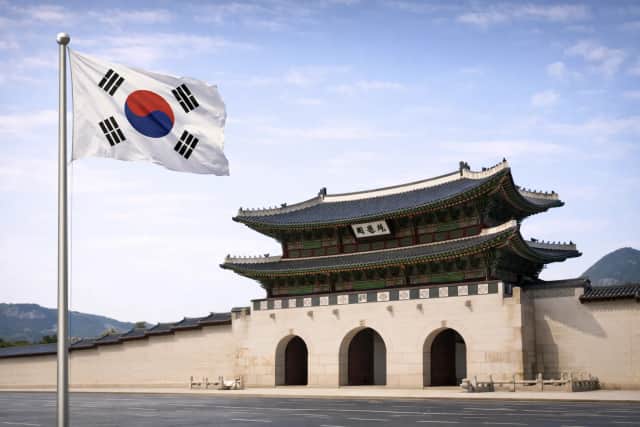
Flag Display: Koreans display the national flag (태극기) on their homes and buildings.
Cultural Events: Museums and cultural centers hold special exhibitions about Korean history and the Dangun myth.
Shrine Visits: Some Koreans visit Dangun shrines, particularly the Dangun shrine at Mount Mani on Ganghwa Island.
Educational Programs: Schools conduct special lessons about Korean history and the founding myth.
Where It's Observed
Korean National Foundation Day (Gaecheonjeol) is a public holiday in 1 country. In 2030, it falls on Thursday, October 3.
Fun Facts
- According to the Korean calendar (Dangun Era), 2026 is the year 4359, counting from the legendary founding in 2333 BCE
- Mount Baekdu, where Hwanung descended, is the highest peak on the Korean Peninsula and is sacred in both Koreas
- The bear in the Dangun myth has led to bears being considered ancestral animals in Korean culture
- Garlic and mugwort, the foods given to the bear and tiger, remain important in Korean cuisine and medicine
- The Chamseongdan altar on Ganghwa Island is believed to be where Dangun performed sacrifices to heaven
- The Dangun myth combines elements of shamanism, Buddhism, and Confucianism
- October 3 was chosen because it corresponded to the 10th lunar month in the traditional calendar
- North Korea also recognizes Dangun and claims to have discovered his tomb near Pyongyang
Frequently Asked Questions
When is National Foundation Day?
National Foundation Day (Gaecheonjeol) is celebrated on October 3 every year. It is a public holiday in South Korea commemorating the legendary founding of Gojoseon, the first Korean kingdom.
Who was Dangun?
Dangun Wanggeom is the legendary founder of Gojoseon, the first Korean kingdom, supposedly established in 2333 BCE. According to myth, he was the son of Hwanung (who descended from heaven) and Ungnyeo (a bear transformed into a woman).
What does Gaecheonjeol mean?
Gaecheonjeol (개천절) literally means 'Festival of the Opening of Heaven.' It refers to the mythological story of Hwanung descending from heaven to earth, which led to the birth of Dangun and the founding of Korea.
Is October 3, 2333 BCE a historical date?
No, it is a legendary date from Korean mythology. The story of Dangun was first recorded in the 13th century CE. While Gojoseon was a real ancient Korean kingdom, its actual founding date is unknown.
How is National Foundation Day celebrated?
Koreans celebrate with official ceremonies at historical sites, particularly the Chamseongdan altar on Ganghwa Island. People display flags, attend cultural events, and schools teach about Korean history and the Dangun founding myth.
What is the Dangun Era calendar?
The Dangun Era (단군기원) is a calendar system counting years from 2333 BCE. While not commonly used today, it represents Korean national pride. In this system, 2026 CE equals year 4359.
Travel Inspiration
Planning a trip around Korean National Foundation Day (Gaecheonjeol)? Explore our travel guides for destinations where this holiday is celebrated.


