
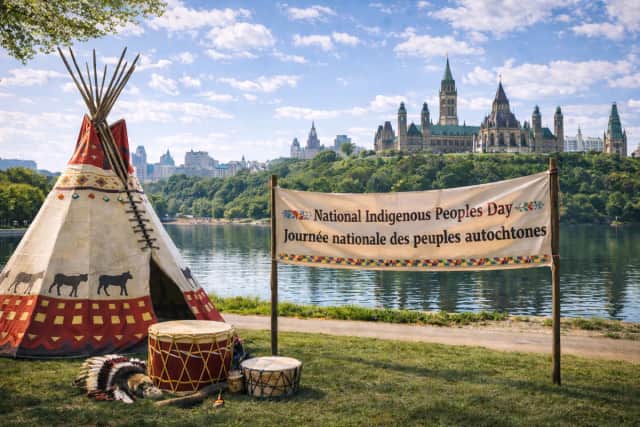
National Indigenous Peoples Day - Journée nationale des peuples autochtones
2026Sunday, June 21
Quick Facts
- Date
- Sunday, June 21, 2026
- Observed in
- Canada
- Type
- National Holiday
What is National Indigenous Peoples Day - Journée nationale des peuples autochtones?
National Indigenous Peoples Day, known in French as Journée nationale des peuples autochtones, is celebrated annually on June 21 in Canada. The date was chosen because it coincides with the summer solstice, the longest day of the year, which has been celebrated by Indigenous peoples for thousands of years.
The day recognizes and celebrates the unique heritage, diverse cultures, and outstanding contributions of First Nations, Inuit, and Métis peoples in Canada. It is a time to learn about the rich histories, traditions, languages, and contemporary experiences of Indigenous communities across the country.
When is National Indigenous Peoples Day - Journée nationale des peuples autochtones 2026?
National Indigenous Peoples Day - Journée nationale des peuples autochtones is on Sunday, June 21 in 2026. Check the dates and days for other years in the table below.
History & Origin
The movement to recognize Indigenous peoples with a national day began in 1982 when the National Indian Brotherhood (now the Assembly of First Nations) called for a national holiday to celebrate First Nations cultures and contributions.
In 1995, the Sacred Assembly declared June 21 as National Aboriginal Solidarity Day. The following year, the Governor General of Canada proclaimed June 21 as National Aboriginal Day.
In 2017, the name was changed to National Indigenous Peoples Day to be more inclusive of the term "Indigenous," which encompasses First Nations, Inuit, and Métis peoples.
The choice of June 21, the summer solstice, reflects the historical and spiritual significance of this date for many Indigenous communities, who have long celebrated this time of year with ceremonies, dances, and gatherings.
How It's Celebrated
Cultural Celebrations: Communities across Canada host powwows, traditional dances, drumming circles, and feasts featuring Indigenous foods.
Art and Craft: Many events showcase Indigenous art including beadwork, quillwork, carving, and traditional clothing. Artists often demonstrate their techniques.
Storytelling: Elders share traditional stories, legends, and oral histories that have been passed down through generations.
Music and Dance: Traditional music featuring drums, singing, and traditional instruments is performed. Dancers in regalia perform various traditional dances.
Food Sharing: Traditional foods such as bannock, wild game, fish, and berries are shared at community gatherings.
Educational Events: Museums, cultural centers, and schools host workshops and presentations about Indigenous history, languages, and contemporary issues.
Sunrise Ceremonies: In many Indigenous traditions, the summer solstice is greeted with sunrise ceremonies and prayers.
Where It's Observed
Fun Facts
- June 21 was chosen because the summer solstice has been celebrated by Indigenous peoples for thousands of years
- There are over 70 distinct Indigenous languages spoken in Canada, belonging to 12 language families
- The term "Indigenous" in Canada encompasses three distinct groups: First Nations, Inuit, and Métis
- The holiday was originally called National Aboriginal Day before being renamed in 2017
- Many communities celebrate with sunrise ceremonies to mark the longest day of the year
Frequently Asked Questions
When is National Indigenous Peoples Day?
National Indigenous Peoples Day is celebrated on June 21 each year, coinciding with the summer solstice.
What is the French name for this holiday?
In French, it is called Journée nationale des peuples autochtones.
Is National Indigenous Peoples Day a statutory holiday?
It is not a federal statutory holiday, but some workplaces and institutions give the day off. The Northwest Territories and Yukon recognize it as a territorial statutory holiday.
Who does National Indigenous Peoples Day celebrate?
The day celebrates the unique heritage, diverse cultures, and contributions of First Nations, Inuit, and Métis peoples in Canada.
How can I participate in National Indigenous Peoples Day?
You can attend local events such as powwows, cultural celebrations, and educational workshops. You can also support Indigenous businesses, learn about local Indigenous history, and engage with Indigenous art and culture.
Travel Inspiration
Planning a trip around National Indigenous Peoples Day - Journée nationale des peuples autochtones? Explore our travel guides for destinations where this holiday is celebrated.


