
Croatian Independence Day
2024Tuesday, October 8
Quick Facts
- Date
- Tuesday, October 8, 2024
- Observed in
- Croatia
- Type
- Cultural Holiday
What is Croatian Independence Day?
Croatian Independence Day (Dan neovisnosti) is a national public holiday in Croatia, celebrated on October 8th each year. It commemorates the day in 1991 when Croatia's declaration of independence from Yugoslavia came into full effect, following the expiration of the three-month moratorium imposed by the Brioni Agreement.
This day marks Croatia's formal break from the Socialist Federal Republic of Yugoslavia and the beginning of its journey as a fully sovereign and independent nation. It is one of the most important dates in modern Croatian history.
Important Note: October 8th is distinct from Statehood Day (Dan državnosti), which is celebrated on May 30th and commemorates the first modern Croatian Parliament in 1990. While both holidays celebrate Croatian sovereignty, Independence Day specifically marks when independence became legally effective.
When is Croatian Independence Day 2024?
Croatian Independence Day is on Tuesday, October 8 in 2024. Check the dates and days for other years in the table below.
History & Origin
Croatia's path to independence was shaped by the political transformations sweeping through Eastern Europe in the late 1980s and early 1990s. As Yugoslavia began to fracture along ethnic and political lines, Croatia's democratic movement gained momentum.
On June 25, 1991, the Croatian Parliament (Sabor) passed the Declaration of Independence, proclaiming Croatia a sovereign and independent state. However, due to international pressure and ongoing negotiations, the Brioni Agreement was signed on July 7, 1991, which imposed a three-month moratorium on the implementation of independence.
During this period, the Yugoslav People's Army (JNA) and Serbian paramilitaries escalated military operations in Croatia, leading to the Croatian War of Independence (1991-1995), also known as the Homeland War (Domovinski rat).
On October 8, 1991, the three-month moratorium expired, and Croatia's independence came into full legal effect. The Croatian Parliament formally severed all remaining constitutional ties with Yugoslavia on this date.
International recognition followed in January 1992, when the European Community and its member states recognized Croatia. The United States recognized Croatia on April 7, 1992. The war continued until 1995, ending with the military operations Storm and Flash that restored Croatian sovereignty over occupied territories.
Croatia joined the United Nations in 1992, NATO in 2009, and the European Union in 2013, completing its integration into the Euro-Atlantic community.
How It's Celebrated
Official State Ceremony: The main celebration takes place in Zagreb, typically at St. Mark's Square (Trg svetog Marka) or Ban Jelačić Square. The President and other high officials deliver speeches commemorating the historic occasion.
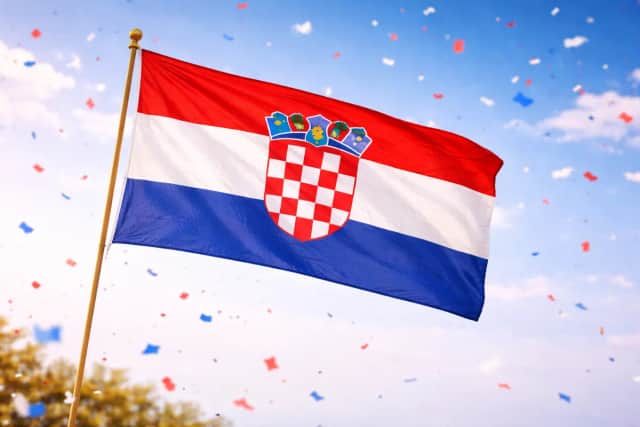
Flag Displays: Croatian flags with the distinctive red-white-blue tricolor and the historic coat of arms (šahovnica) are prominently displayed on public buildings, homes, and streets throughout the country.
Wreath-Laying Ceremonies: Officials lay wreaths at memorials honoring the victims and defenders of the Homeland War, including the Memorial Cemetery of the Homeland War Victims in Zagreb.
Military Parades and Displays: In some years, military parades or demonstrations showcase Croatia's armed forces, honoring the Croatian Army's role in achieving and defending independence.
Concerts and Cultural Events: Cities across Croatia organize concerts featuring patriotic music, cultural performances, and exhibitions highlighting Croatian heritage and the independence movement.
Church Services: Special masses and services are held in churches throughout Croatia, offering prayers of thanksgiving for independence and remembrance for those who died.
Family Gatherings: Many Croatians use the public holiday to gather with family and reflect on the nation's journey to independence.
Educational Programs: Schools and cultural institutions often organize special programs about Croatian history and the significance of independence.
Where It's Observed
Croatian Independence Day is a public holiday in 1 country. In 2024, it falls on Tuesday, October 8.
Fun Facts
- Croatia declared independence on June 25, 1991, but it only came into full effect on October 8, 1991, after a 3-month moratorium imposed by the Brioni Agreement
- The Croatian War of Independence (1991-1995) is known locally as the Homeland War (Domovinski rat), a term that reflects its significance in national identity
- Croatia was one of the first countries to be recognized by Germany on December 23, 1991, before the official EU recognition in January 1992
- The šahovnica (checkerboard pattern) on the Croatian coat of arms dates back to the 10th century and has been a symbol of Croatian identity for over a thousand years
- Croatia's path to EU membership took 10 years of negotiations, from 2003 to 2013, making it the 28th EU member state
- The city of Vukovar endured an 87-day siege in 1991, becoming one of the most heavily damaged European cities since World War II
- Croatian became an official EU language in 2013, bringing the total number of official EU languages to 24 at that time
- October 8th was chosen as Independence Day because it marks when the Croatian Parliament severed all constitutional ties with Yugoslavia after the Brioni moratorium expired
Frequently Asked Questions
What is the difference between Croatian Independence Day and Statehood Day?
Independence Day (October 8) commemorates when Croatia's independence from Yugoslavia came into full legal effect in 1991 after the Brioni moratorium expired. Statehood Day (May 30) commemorates the first session of the modern Croatian Parliament in 1990, which set Croatia on the path to sovereignty. Both are national holidays celebrating different milestones in Croatia's journey to independence.
Why did Croatia's independence not take effect immediately on June 25, 1991?
Although Croatia declared independence on June 25, 1991, the Brioni Agreement (signed July 7, 1991) imposed a three-month moratorium on implementation. This was due to international pressure, particularly from the European Community, to allow time for negotiations with Yugoslavia. The moratorium expired on October 8, 1991, when independence became fully effective.
Is October 8 a public holiday in Croatia?
Yes, October 8th (Independence Day) is a national public holiday in Croatia. Banks, schools, government offices, and most businesses are closed. Public transportation operates on reduced schedules, and many Croatians have the day off work.
What was the Homeland War (Domovinski rat)?
The Homeland War (1991-1995) was the Croatian War of Independence, fought between Croatian forces and the Yugoslav People's Army and Serbian paramilitaries. It began shortly after Croatia declared independence and ended with military operations Storm and Flash in 1995, which restored Croatian control over occupied territories.
When was Croatia internationally recognized as independent?
Croatia received international recognition in stages. Germany recognized Croatia on December 23, 1991. The European Community and its member states officially recognized Croatia on January 15, 1992. The United States recognized Croatia on April 7, 1992. Croatia joined the United Nations on May 22, 1992.
How do Croatians celebrate Independence Day?
Celebrations include official state ceremonies with speeches by the President and officials, flag displays, wreath-laying at war memorials, concerts, cultural events, and church services. Many families gather for meals, and some cities host patriotic concerts and exhibitions about Croatian history.
Travel Inspiration
Planning a trip around Croatian Independence Day? Explore our travel guides for destinations where this holiday is celebrated.


