
Discovery Day - Jour de la Découverte
2026Monday, August 17
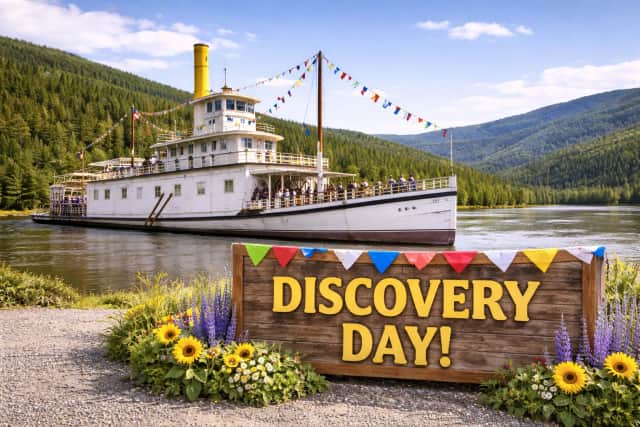
Quick Facts
- Date
- Monday, August 17, 2026
- Observed in
- Canada
- Type
- Cultural Holiday
What is Discovery Day - Jour de la Découverte?
Discovery Day, known in French as Jour de la Découverte, is a statutory holiday celebrated in two Canadian provinces/territories with distinct dates and histories:
In Newfoundland and Labrador, Discovery Day (also called the June Holiday) falls on the nearest Monday to June 24. It commemorates John Cabot's arrival at the island in 1497, one of the earliest European voyages to North America.
In Yukon, Discovery Day is observed on the third Monday of August. It celebrates the discovery of gold in Bonanza Creek on August 17, 1896, which triggered the legendary Klondike Gold Rush — one of the most dramatic events in Canadian history.
Both versions of Discovery Day reflect pivotal moments that shaped the identity of their respective regions.
When is Discovery Day - Jour de la Découverte 2026?
Discovery Day - Jour de la Découverte is on Monday, August 17 in 2026. Check the dates and days for other years in the table below.
History & Origin
Newfoundland Discovery Day: On June 24, 1497, the Italian-born explorer Giovanni Caboto (John Cabot), sailing under the commission of King Henry VII of England, reached the shores of what is now Newfoundland. This voyage established England's claim to North America and opened the way for centuries of settlement. June 24 was originally chosen because it was the Feast of St. John the Baptist, which also gave St. John's its name. The holiday has been observed in Newfoundland for centuries and was retained when the province joined Confederation in 1949.
Yukon Discovery Day: On August 17, 1896, George Washington Carmack, along with Tagish First Nations members Skookum Jim Mason and Dawson Charlie, discovered gold on Bonanza Creek (then called Rabbit Creek), a tributary of the Klondike River. News of the discovery reached the outside world in July 1897, sparking a massive stampede of an estimated 100,000 prospectors heading to the Klondike region. Only about 30,000 to 40,000 actually reached Dawson City, and far fewer struck it rich. The Gold Rush transformed Yukon from a sparsely populated wilderness into a bustling territory and led to its establishment as a separate territory in 1898.
How It's Celebrated
Newfoundland Traditions:
- Heritage Celebrations: Communities across Newfoundland hold events celebrating the province's exploration history and maritime heritage.
- Bonfires: In some communities, bonfires are lit on the eve of Discovery Day, continuing an old tradition also associated with the Feast of St. John the Baptist.
- Outdoor Activities: The late-June timing makes it ideal for hiking, fishing, and enjoying Newfoundland's scenic coastline.
Yukon Traditions:
- Dawson City Festival: The town of Dawson City hosts the largest celebrations, with parades, gold panning competitions, and re-enactments of Gold Rush life.
- Gold Panning: Visitors and locals try their luck panning for gold in creeks around Dawson City, just as prospectors did over a century ago.
- Parade and Events: A community parade through Dawson City features floats, vintage costumes, and historical themes.
- Indigenous Recognition: Modern celebrations increasingly honour the role of Tagish and Hän First Nations people who were integral to the Gold Rush story.
Where It's Observed
Discovery Day - Jour de la Découverte is a public holiday in 1 country. In 2026, it falls on Monday, August 17.
Fun Facts
- John Cabot's 1497 voyage to Newfoundland was one of the earliest European explorations of North America since the Vikings
- The Klondike Gold Rush of 1896-1899 brought an estimated 100,000 prospectors to Yukon, though only about a third actually arrived
- June 24 was chosen for Newfoundland's Discovery Day because it was the Feast of St. John the Baptist — the same feast that gave St. John's its name
- Skookum Jim Mason, a Tagish First Nations member, is widely credited as the person who actually found the first gold nugget on Bonanza Creek
- At the peak of the Gold Rush, Dawson City briefly became the largest city west of Winnipeg and north of Seattle, with a population of around 40,000
- The famous Chilkoot Trail, a 53-kilometre route used by Gold Rush stampeders, is now a popular hiking trail and national historic site
Frequently Asked Questions
When is Discovery Day in Newfoundland and Labrador?
In Newfoundland and Labrador, Discovery Day is celebrated on the nearest Monday to June 24 each year.
When is Discovery Day in Yukon?
In Yukon, Discovery Day is observed on the third Monday of August each year.
Why are there two different Discovery Days in Canada?
The two Discovery Days commemorate different events. Newfoundland's celebrates John Cabot's arrival in 1497, while Yukon's marks the 1896 Klondike Gold Rush discovery.
Is Discovery Day a statutory holiday?
Yes, Discovery Day is a statutory holiday in both Newfoundland and Labrador and in Yukon. Most employees receive the day off with pay.
What is the French name for Discovery Day?
In French, Discovery Day is called Jour de la Découverte.
Travel Inspiration
Planning a trip around Discovery Day - Jour de la Découverte? Explore our travel guides for destinations where this holiday is celebrated.


