
Unification Day (Bulgaria)
2026Sunday, September 6
Quick Facts
- Date
- Sunday, September 6, 2026
- Observed in
- Bulgaria
- Type
- National Holiday
What is Unification Day (Bulgaria)?
Unification Day (Ден на Съединението, September 6) is a Bulgarian national holiday commemorating the Unification of Bulgaria in 1885 — the merger of the autonomous Principality of Bulgaria with the Ottoman province of Eastern Rumelia. The 1878 Treaty of Berlin had split the newly liberated Bulgarian lands, placing the south under Ottoman suzerainty as Eastern Rumelia. On 6 September 1885 a largely bloodless coup in Plovdiv, Eastern Rumelia's capital, ousted the Ottoman-appointed governor and proclaimed union with the Principality under Prince Alexander I. The day has been an official holiday since 1998 and is widely regarded as one of the most important acts of modern Bulgarian nation-building.
When is Unification Day (Bulgaria) 2026?
Unification Day (Bulgaria) is on Sunday, September 6 in 2026. Check the dates and days for other years in the table below.
History & Origin
The Congress of Berlin in 1878, following the Russo-Turkish War of 1877-78, drastically shrank the large Bulgarian state envisioned by the earlier Treaty of San Stefano. It created a small autonomous Principality of Bulgaria north of the Balkan Mountains and a separate southern province, Eastern Rumelia, kept under the political and military authority of the Ottoman Sultan though led by a Christian governor-general. Many Bulgarians viewed this division of their nation as a profound injustice.
In February 1885 revolutionaries in Plovdiv, led by Zahari Stoyanov, founded the Bulgarian Secret Central Revolutionary Committee to agitate for union. On the night of 5-6 September 1885, militia and volunteer units commanded by Major Danail Nikolaev seized Plovdiv, removed Governor-General Gavril Krastevich, and a provisional government under Dr. Georgi Stranski proclaimed the unification. Prince Alexander I of Battenberg travelled south to endorse it, accepting the union despite the diplomatic risk.
The move alarmed the Great Powers and Bulgaria's neighbours. Serbia declared war in November 1885, but the young Bulgarian army decisively won the Serbo-Bulgarian War, securing the unification on the battlefield. International recognition followed through the 1886 Tophane Agreement, under which Prince Alexander I was recognised as governor-general of Eastern Rumelia, cementing the de facto union. The National Assembly declared 6 September an official holiday in 1998.
How It's Celebrated
Unification Day is marked by solemn state and civic ceremonies rather than festivity. Across the country the national flag is raised ceremonially, and officials lay wreaths at monuments to those who fought for unification and independence. Plovdiv, where the events unfolded, hosts the central commemorations, including gatherings by the United Bulgaria monument and history-themed programmes. Military honour guards, brass bands and speeches recalling the deeds of 1885 are common, while museums and historical sites often open with special exhibitions. Falling in early September, the day also coincides with the close of the summer season.
Where It's Observed
Unification Day (Bulgaria) is a public holiday in 1 country. In 2026, it falls on Sunday, September 6.
Travel Tips
Unification Day is a public holiday in Bulgaria, so banks, government offices and many businesses close, while public transport runs on a holiday schedule. Plovdiv is the best place to experience the day, with ceremonies in the Old Town and central squares; the city is easily reached by train or bus from Sofia in about 2-2.5 hours. Early September weather is warm and pleasant, ideal for exploring Plovdiv's Roman theatre, Old Town mansions and the surrounding Rhodope foothills. Book accommodation ahead, as the holiday combined with the tail end of summer makes it a popular weekend for domestic travel.
Fun Facts
- The holiday marks events of 6 September 1885, but by the modern (New Style) calendar the coup actually took place on 18 September — Bulgaria still used the older Julian calendar at the time
- The unification was almost bloodless in Plovdiv: Governor-General Gavril Krastevich was arrested with little resistance and escorted out of the province
- Bulgaria's victory in the resulting Serbo-Bulgarian War of 1885 was won largely by junior officers and volunteers, after Russia recalled the senior officers who had been training the Bulgarian army
- The 1878 Treaty of Berlin had undone the short-lived larger Bulgaria of the Treaty of San Stefano, and the 1885 unification was a first step toward reversing that division
- Plovdiv, the capital of Eastern Rumelia, is one of the oldest continuously inhabited cities in Europe, with roots going back thousands of years
- Unification Day only became an official Bulgarian public holiday in 1998, though the event had been commemorated long before
Frequently Asked Questions
When is Unification Day?
Unification Day is celebrated every year on September 6. It commemorates the unification of the Principality of Bulgaria with Eastern Rumelia in 1885 and has been an official public holiday in Bulgaria since 1998.
What exactly was unified in 1885?
The 1878 Treaty of Berlin had divided the Bulgarian lands into the autonomous Principality of Bulgaria in the north and the Ottoman-controlled province of Eastern Rumelia in the south. On 6 September 1885 the two were joined under Prince Alexander I, reuniting northern and southern Bulgaria.
How is Unification Day celebrated?
It is a solemn national holiday marked by flag-raising ceremonies, wreath-laying at monuments, military honour guards and official speeches. The main commemorations take place in Plovdiv, the former capital of Eastern Rumelia, where the unification was proclaimed.
Travel Inspiration
Planning a trip around Unification Day (Bulgaria)? Explore our travel guides for destinations where this holiday is celebrated.


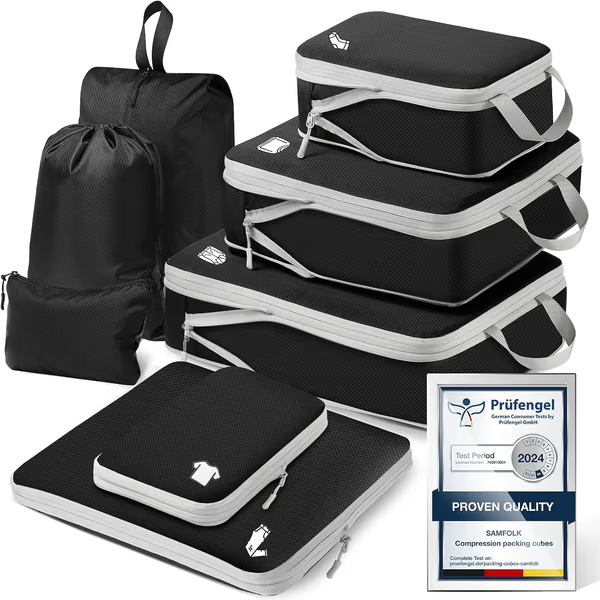
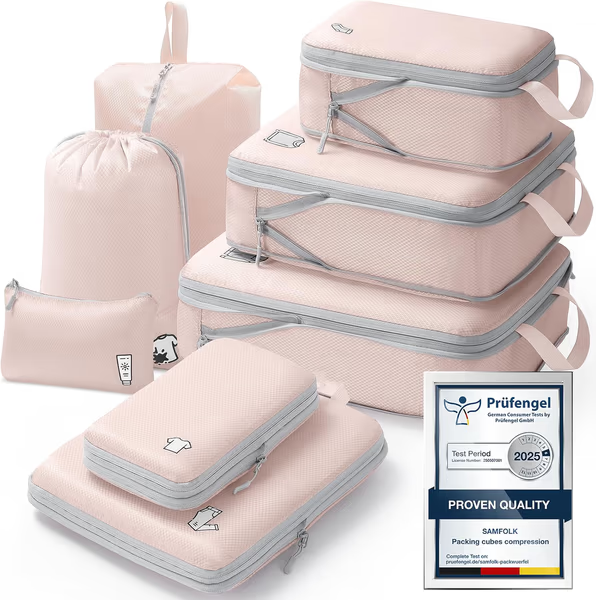
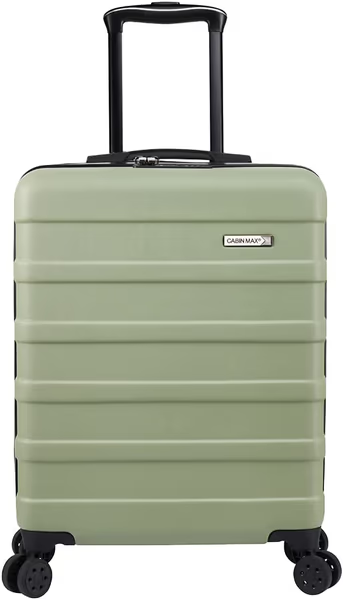
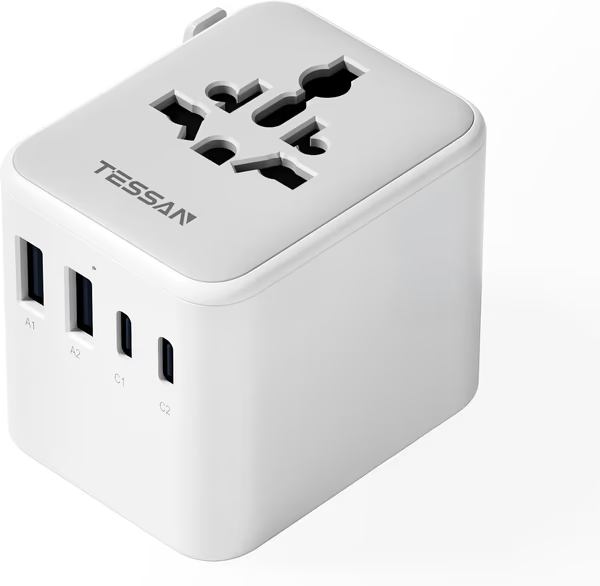
Beevago recommends: Pack for the break
A few things worth having before you go.


As an Amazon Associate we earn from qualifying purchases. This costs you nothing.