
Liberation Day (Bulgaria)
2030Sunday, March 3
Quick Facts
- Date
- Sunday, March 3, 2030
- Observed in
- Bulgaria
- Type
- National Holiday
What is Liberation Day (Bulgaria)?
Liberation Day (Bulgarian: Ден на Освобождението, also called Трети март — the Third of March) is the national day of Bulgaria, observed every 3 March. It commemorates the signing of the Treaty of San Stefano on 3 March 1878, which ended the Russo-Turkish War of 1877–78 and provided for the re-establishment of an autonomous Principality of Bulgaria after nearly five centuries of Ottoman rule. The day is marked by solemn wreath-laying ceremonies, the raising of the national flag, Orthodox memorial services and gatherings at war monuments — above all at the Shipka Pass, where one of the war's decisive battles was fought. It is a public holiday across the whole country.
When is Liberation Day (Bulgaria) 2030?
Liberation Day (Bulgaria) is on Sunday, March 3 in 2030. Check the dates and days for other years in the table below.
| Year | Date | Day |
|---|---|---|
| 2030 ← | March 3 | Sunday |
| 2031 | March 3 | Monday |
| 2032 | March 3 | Wednesday |
History & Origin
Medieval Bulgarian statehood was extinguished at the end of the 14th century during the Bulgarian–Ottoman wars, beginning nearly five centuries under Ottoman rule. The suppression of the April Uprising of 1876 drew wide European attention to the Bulgarian cause, and in April 1877 the Russian Empire declared war on the Ottomans. Bulgarian volunteer units, known as the opalchentsi, fought alongside Russian and Romanian forces in campaigns remembered above all for the siege of Pleven and the defence of the Shipka Pass.
The war ended with the Treaty of San Stefano, signed on 3 March 1878 in a village near Constantinople (today Yeşilköy, a suburb of Istanbul). It provided for a large autonomous Bulgarian state. Fearing a big Russian-aligned power in the Balkans, the Great Powers revised the settlement only months later at the Congress of Berlin (July 1878), splitting the territory into a smaller Principality of Bulgaria and an autonomous province of Eastern Rumelia, while leaving other Bulgarian-populated lands under Ottoman control — a division that shaped Bulgarian national politics for decades.
The date was first commemorated in 1880, formally named Liberation Day in 1888, celebrated on a national scale from 1978, and declared the official national holiday of Bulgaria by decree in 1990.
How It's Celebrated
The day centres on wreath-laying at the Shipka Monument and at the Monument to the Unknown Soldier in Sofia, with military honours and Orthodox memorial services, including a liturgy at the Alexander Nevsky Cathedral. Thousands climb the steps to the Shipka Freedom Monument in the Balkan Mountains to honour the Russian soldiers and Bulgarian volunteers who fought there. Flag-raising ceremonies, official speeches, the laying of flowers at memorials to the fallen — including the foreign troops who fought alongside Bulgarians — and evening fireworks in major cities round out the observance.
Where It's Observed
Liberation Day (Bulgaria) is a public holiday in 1 country. In 2030, it falls on Sunday, March 3.
Travel Tips
March 3 is a public holiday nationwide, so government offices, banks and many shops close, and there are ceremonies and some road closures around monuments in Sofia and at Shipka. Early March is cold — pack warm layers, especially for the exposed, often snowy Shipka Pass climb (nearly 900 stone steps to the Freedom Monument). Sofia's Alexander Nevsky Cathedral, the National History Museum and the Shipka Memorial Church are rewarding stops. Public transport runs on a holiday schedule, so book accommodation ahead in Sofia and the Shipka/Kazanlak area.
Fun Facts
- The Treaty of San Stefano was signed on 3 March 1878 in San Stefano, today Yeşilköy, a suburb of Istanbul
- The large "San Stefano Bulgaria" existed only on paper for a few months — the Congress of Berlin shrank it in July 1878
- Sofia's golden-domed Alexander Nevsky Cathedral was built as a memorial to the roughly 200,000 Russian soldiers who died in the 1877–78 war
- The Shipka Freedom Monument stands atop Stoletov Peak, reached by climbing nearly 900 stone steps
- Liberation Day only became Bulgaria's official national holiday in 1990, though the date had been marked since 1880
- Bulgarian volunteer units, the opalchentsi, fought alongside the Russian and Romanian armies during the war
Frequently Asked Questions
When is Liberation Day?
Liberation Day is celebrated on March 3 every year. It marks the signing of the Treaty of San Stefano on 3 March 1878, which ended the Russo-Turkish War of 1877–78 and led to the re-establishment of the Bulgarian state.
Why is March 3 significant for Bulgaria?
It marks the end of nearly five centuries of Ottoman rule. The Treaty of San Stefano restored an autonomous Bulgarian state, which is why March 3 is the country's most important national holiday.
How do Bulgarians celebrate Liberation Day?
With wreath-laying ceremonies, flag-raising, Orthodox memorial services and military honours. The largest gathering is at the Shipka Monument in the Balkan Mountains, with fireworks in Sofia and other cities in the evening.
Travel Inspiration
Planning a trip around Liberation Day (Bulgaria)? Explore our travel guides for destinations where this holiday is celebrated.


Top Things to Do with Kids in Orlando (Beyond Disney)
Read more →
Last Minute Vacation Rentals Florida: Save Up to 60% on Your Winter Escape
Read more →
How Many Days Do You Need in Lofoten Islands? 7-Day Winter Guide
Read more →
Warsaw Winter Guide: Solo Travel Adventures and Indoor Escapes
Read more →
Novi Sad Winter Solo Travel Guide: Museums & Cozy Cafes
Read more →Beevago recommends: Pack for the break
A few things worth having before you go.

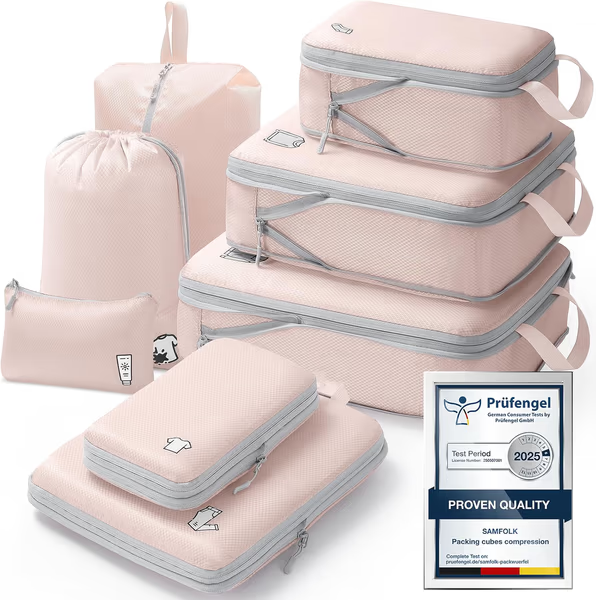
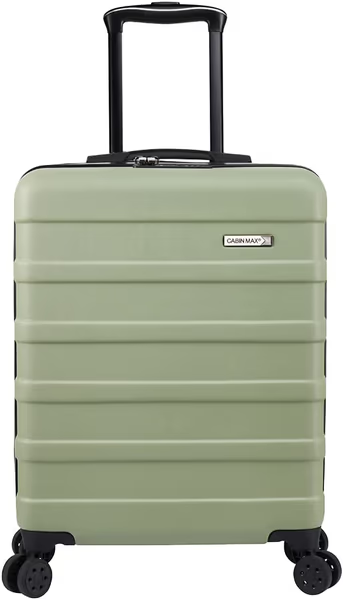
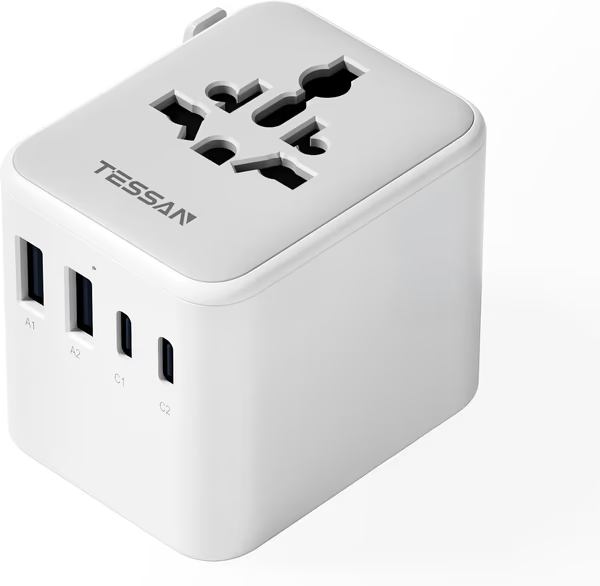


As an Amazon Associate we earn from qualifying purchases. This costs you nothing.