
Independence Day (Bulgaria)
2027Wednesday, September 22
Quick Facts
- Date
- Wednesday, September 22, 2027
- Observed in
- Bulgaria
- Type
- National Holiday
What is Independence Day (Bulgaria)?
Independence Day (Ден на независимостта на България, September 22) is a national public holiday in Bulgaria marking the day in 1908 when the country proclaimed its full independence from the Ottoman Empire. On that day, Prince Ferdinand I read a manifesto at the Holy Forty Martyrs Church in the old capital of Veliko Tarnovo, severing the last legal ties of Ottoman suzerainty and raising Bulgaria from an autonomous principality to a fully sovereign kingdom — with Ferdinand assuming the title of Tsar. The day is one of Bulgaria's three great statehood anniversaries, alongside Liberation Day (March 3) and the Unification (September 6).
When is Independence Day (Bulgaria) 2027?
Independence Day (Bulgaria) is on Wednesday, September 22 in 2027. Check the dates and days for other years in the table below.
History & Origin
After nearly five centuries under Ottoman rule, Bulgaria gained substantial autonomy in 1878 following the Russo-Turkish War, becoming a self-governing principality under the Treaty of Berlin. However, it remained on paper a vassal under the suzerainty of the Ottoman Sublime Porte in Constantinople. Bulgaria already had its own constitution, flag and anthem, but the legal fiction of Ottoman overlordship persisted, preventing it from concluding independent treaties, setting its own tariffs or maintaining full diplomatic representation abroad. The Unification of the Principality of Bulgaria with Eastern Rumelia in 1885 was a further step, but formal sovereignty was still lacking.
On 22 September 1908 (Julian calendar then in use), Prince Ferdinand proclaimed independence at the historic Holy Forty Martyrs Church in Veliko Tarnovo, the medieval Bulgarian capital, chosen deliberately for its symbolic weight. Prime Minister Aleksandar Malinov presented the manifesto, and Ferdinand took the ancient title of Tsar, elevating Bulgaria to a kingdom. The timing exploited a moment of international distraction, as Austria-Hungary simultaneously annexed Bosnia and Herzegovina.
Although the declaration violated the Treaty of Berlin, Bulgaria's independence was internationally recognized by the spring of 1909, partly through Russian financial mediation with the Ottoman Empire. September 22 has been celebrated as Independence Day since, and was reinstated as an official national holiday in 1998 after the fall of communism.
How It's Celebrated
The day is marked with flag-raising ceremonies hoisting the white-green-red national tricolour, military parades and honour guards, and wreath-laying tributes at monuments to national heroes such as Vasil Levski and Hristo Botev. The largest commemorations take place in Sofia and in Veliko Tarnovo, where the declaration was made — the city hosts a morning liturgy at the Holy Forty Martyrs Church, a reenactment of the proclamation at the Tsarevets fortress, open-air concerts, folk performances and an evening fireworks display over the medieval hills.
Where It's Observed
Independence Day (Bulgaria) is a public holiday in 1 country. In 2027, it falls on Wednesday, September 22.
Travel Tips
September 22 is a public holiday across Bulgaria, so government offices, banks and many shops close, though restaurants and tourist sites in the main cities stay open. Veliko Tarnovo is the best place to experience the day — book accommodation early, as the reenactment at Tsarevets fortress and the evening sound-and-light show draw large crowds. Late September brings pleasant, mild weather ideal for exploring the old town's cobbled streets and the Tsarevets ramparts. In Sofia, expect ceremonies near the Presidency and central monuments. Public transport runs on a holiday schedule, so check timetables in advance.
Fun Facts
- Bulgaria proclaimed its independence on the same day Austria-Hungary annexed Bosnia and Herzegovina, both exploiting a moment of Ottoman weakness in 1908
- Prince Ferdinand chose Veliko Tarnovo, the medieval Bulgarian capital, over Sofia for the proclamation to invoke the glory of the earlier Bulgarian empires
- By declaring independence, Ferdinand upgraded his own title from Prince (Knyaz) to Tsar, and Bulgaria from a principality to a kingdom
- Bulgaria's independence was recognized only after Russia helped mediate a financial settlement with the Ottoman Empire over lost revenues
- The proclamation took place in the Holy Forty Martyrs Church, itself a symbol of Bulgarian statehood built by Tsar Ivan Asen II in the 13th century
- Independence Day was restored as an official national holiday only in 1998, having been downplayed during the communist era
Frequently Asked Questions
When is Independence Day?
Independence Day in Bulgaria is celebrated every year on September 22, marking the 1908 proclamation of full independence from the Ottoman Empire. It is a national public holiday.
What is the difference between Independence Day and Liberation Day in Bulgaria?
Liberation Day (March 3) marks the 1878 end of Ottoman rule and the creation of an autonomous Bulgarian principality, while Independence Day (September 22) marks the 1908 declaration of full sovereignty, when Bulgaria became a kingdom free of Ottoman suzerainty.
Where are the main celebrations held?
The largest commemorations are in Sofia and especially in Veliko Tarnovo, where the declaration was made in 1908. Veliko Tarnovo hosts a church liturgy, a reenactment at Tsarevets fortress, concerts and an evening fireworks display.
Travel Inspiration
Planning a trip around Independence Day (Bulgaria)? Explore our travel guides for destinations where this holiday is celebrated.


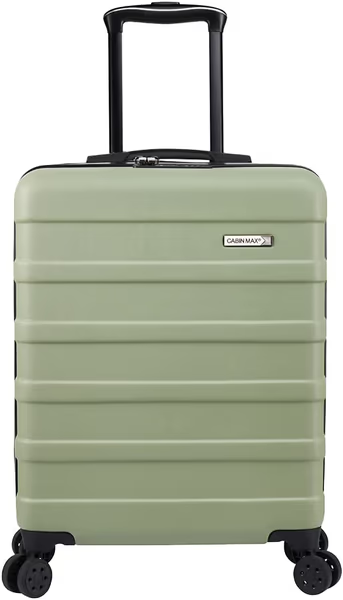
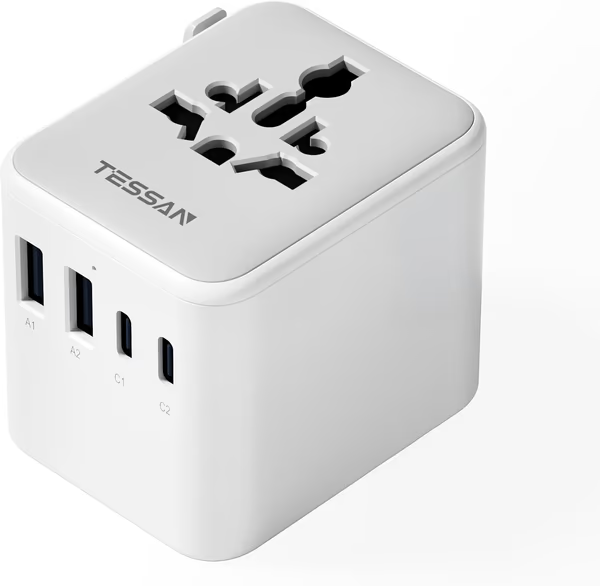
Beevago recommends: Pack for the break
A few things worth having before you go.




As an Amazon Associate we earn from qualifying purchases. This costs you nothing.