
Black Awareness Day
2030Wednesday, November 20
Quick Facts
- Date
- Wednesday, November 20, 2030
- Observed in
- Brazil
- Type
- Cultural Holiday
What is Black Awareness Day?
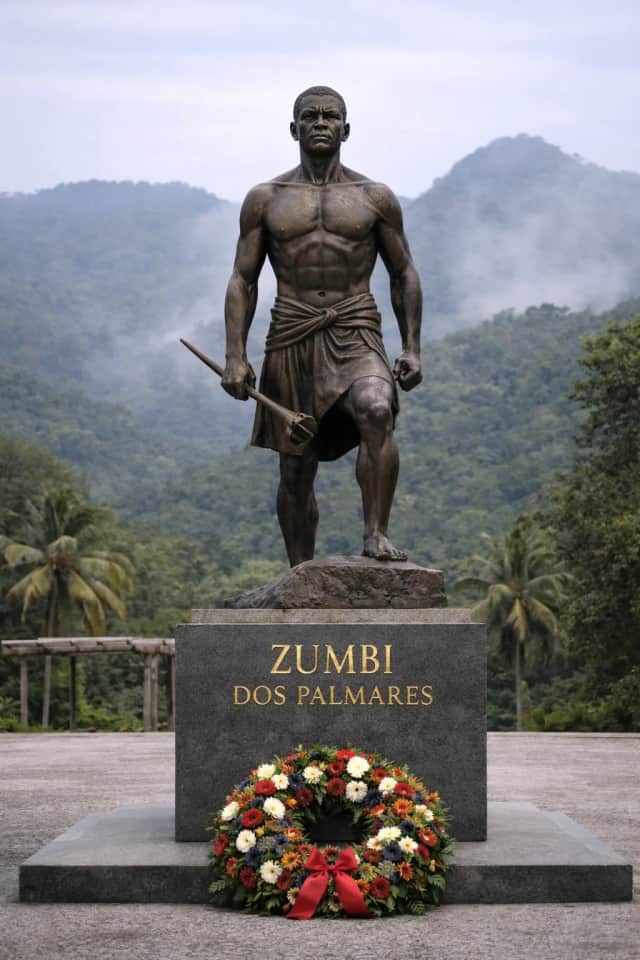
Black Awareness Day (Dia da Consciência Negra) is observed on November 20 in Brazil and honors the memory of Zumbi dos Palmares, the last leader of Quilombo dos Palmares, who was killed on this date in 1695. The day celebrates Afro-Brazilian culture, history, and contributions to Brazilian society while also serving as a moment to reflect on the ongoing struggle against racism and inequality. It is an official public holiday in over 1,000 Brazilian municipalities and six states.
When is Black Awareness Day 2030?
Black Awareness Day is on Wednesday, November 20 in 2030. Check the dates and days for other years in the table below.
History & Origin
Quilombo dos Palmares was a settlement of escaped slaves in what is now Alagoas state in northeastern Brazil. Founded in the late 16th century, it grew to become the largest and longest-lasting quilombo in Brazilian history, at its height housing up to 20,000 inhabitants. Zumbi, born free in Palmares around 1655, became the leader in 1678 and fiercely resisted Portuguese colonial forces. On November 20, 1695, after years of defending the quilombo, Zumbi was betrayed, captured, and killed. His death marked the end of Palmares. Black Awareness Day was first proposed in the 1970s by the Black Unified Movement as an alternative to May 13 (the date slavery was abolished in 1888), which many felt celebrated the white abolitionist Princess Isabel rather than Black resistance. The day became a municipal holiday in many cities starting in the 1990s and was declared a national observance in 2011.
How It's Celebrated
Black Awareness Day celebrations feature cultural events highlighting Afro-Brazilian heritage throughout the country. Activities include capoeira demonstrations, samba and maracatu performances, exhibitions on Black history and art, lectures on racism and equality, and religious ceremonies of Afro-Brazilian traditions like Candomblé and Umbanda. Many cities organize marches and public gatherings. Schools hold educational programs about slavery, resistance, and Black contributions to Brazilian culture. The month of November is often called "Black Consciousness Month" (Mês da Consciência Negra), with events occurring throughout. Major celebrations take place in cities with significant Afro-Brazilian populations, including Salvador, Rio de Janeiro, and São Paulo.
Where It's Observed
Black Awareness Day is a public holiday in 1 country. In 2030, it falls on Wednesday, November 20.
Fun Facts
- Quilombo dos Palmares existed for nearly 100 years and successfully resisted multiple Portuguese and Dutch military expeditions
- Zumbi's name means 'God' or 'ghost' in the Kimbundu language of Angola
- Brazil was the last country in the Western Hemisphere to abolish slavery (1888) and received more enslaved Africans than any other nation
- The city of Salvador, Bahia has the largest Black population of any city outside Africa
- Capoeira, developed by enslaved Africans in Brazil, was banned until 1937 and is now a UNESCO Intangible Cultural Heritage
Frequently Asked Questions
Why is Black Awareness Day on November 20?
November 20 marks the death of Zumbi dos Palmares in 1695, the legendary leader of Quilombo dos Palmares who symbolizes Black resistance against slavery in Brazil. This date was chosen over May 13 (abolition day) to honor Black agency and resistance rather than the granting of freedom by white abolitionists.
Is November 20 a public holiday in all of Brazil?
November 20 is not a federal holiday, but it is an official public holiday in over 1,000 municipalities and six states including Rio de Janeiro, São Paulo, and Alagoas. In other areas, it is observed but businesses may remain open.
Who was Zumbi dos Palmares?
Zumbi was the last leader of Quilombo dos Palmares, the largest settlement of escaped slaves in Brazil. Born around 1655, he led the resistance against Portuguese colonial forces until his death on November 20, 1695. He is a national hero and symbol of Black resistance.
How is Black Awareness Day celebrated?
Celebrations include capoeira and samba performances, lectures on racism and equality, exhibitions on Black history, Afro-Brazilian religious ceremonies, marches, and educational programs in schools about slavery, resistance, and Black contributions to Brazilian culture.
Travel Inspiration
Planning a trip around Black Awareness Day? Explore our travel guides for destinations where this holiday is celebrated.


