
Brazilian Carnival
2026Tuesday, February 17
Quick Facts
- Date
- Tuesday, February 17, 2026
- Observed in
- Brazil
- Type
- Cultural Holiday
What is Brazilian Carnival?
Brazilian Carnival (Carnaval) is the country's most famous cultural celebration and the world's largest street party, held annually in the days leading up to Ash Wednesday. The festival runs from the Friday before Ash Wednesday through Shrove Tuesday (Mardi Gras), with the peak celebrations on Sunday and Monday. Carnival is characterized by spectacular parades featuring samba schools with elaborate costumes and floats, street parties called blocos, and music and dancing throughout the country. While not an official national holiday, Carnival Monday and Tuesday are unofficial holidays when most businesses close.
When is Brazilian Carnival 2026?
Brazilian Carnival is on Tuesday, February 17 in 2026. Check the dates and days for other years in the table below.
History & Origin
The origins of Brazilian Carnival date back to the Portuguese colonization, combining European Carnival traditions with African rhythms and indigenous elements. The Portuguese entrudo (a rowdy celebration involving throwing water and food) evolved over centuries into today's festivities. The first official Carnival parade was held in Rio de Janeiro in 1840. In the early 20th century, African-Brazilian communities began organizing into samba schools (escolas de samba), which transformed Carnival into the grand spectacle it is today. The first samba school, Deixa Falar, was founded in 1928 in Rio. The construction of the Sambadrome in Rio in 1984 formalized the parade competition that now draws millions of visitors and generates billions in revenue.
How It's Celebrated
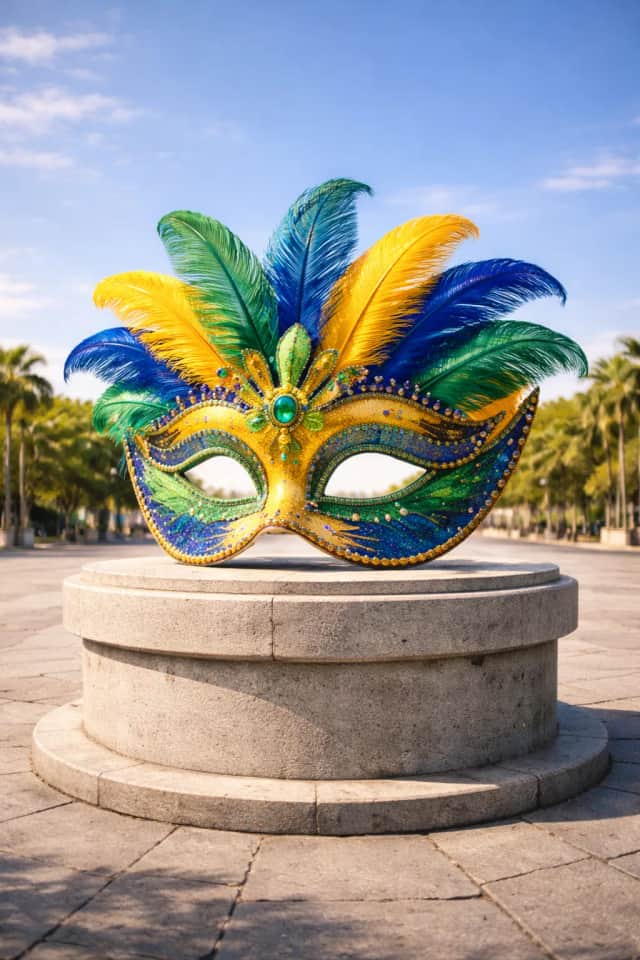
Carnival celebrations vary by region but share common elements. In Rio de Janeiro, the highlight is the Samba School Parade at the Sambadrome, where schools compete with themes, costumes, floats, and choreography. Each school has thousands of participants and spends months preparing. In Salvador, Bahia, massive sound trucks called trios elétricos lead crowds through the streets playing axé music. São Paulo has its own Sambadrome, while Recife and Olinda feature frevo dancing and giant puppets. Throughout Brazil, neighborhood blocos (street parties) offer free public celebrations with music and dancing. Traditional costumes, masks, and confetti are ubiquitous. Many Brazilians travel to beach destinations or family homes during the extended holiday period.
Where It's Observed
Brazilian Carnival is a public holiday in 1 country. In 2026, it falls on Tuesday, February 17.
Fun Facts
- Rio's Carnival attracts over 2 million people daily to street celebrations and is considered the world's biggest party
- Samba schools spend up to $4 million USD on costumes and floats for a single parade
- Salvador's Carnival is listed in Guinness World Records as the largest street party in the world
- The word 'carnival' comes from Latin 'carne vale' meaning 'farewell to meat' before the Lenten fast
- Some blocos in Rio have over 2 million participants, like Bola Preta and Cordão da Bola Preta
Frequently Asked Questions
When is Brazilian Carnival?
Brazilian Carnival is held in the days before Ash Wednesday, which marks the start of Lent. The dates vary each year based on Easter, typically falling in February or early March. The main celebrations are from Friday through Tuesday, with Sunday and Monday being the peak.
Is Carnival a public holiday in Brazil?
Carnival Monday and Tuesday are not official federal holidays, but they are widely treated as unofficial holidays. Most businesses, banks, and schools close from Carnival Saturday through Ash Wednesday noon. Government offices typically close for the entire period.
What are samba schools?
Samba schools (escolas de samba) are community organizations that prepare year-round for Carnival parades. Each school develops a theme, creates costumes and floats, composes music, and choreographs thousands of members. They compete in the Sambadrome for the title of champion.
What are blocos?
Blocos are street parties that happen throughout Brazilian cities during Carnival. They range from small neighborhood gatherings to massive events with hundreds of thousands of participants. Most are free and open to everyone, featuring live music, dancing, and costumes.
Travel Inspiration
Planning a trip around Brazilian Carnival? Explore our travel guides for destinations where this holiday is celebrated.


