
All Saints' Day
2025Saturday, November 1
Quick Facts
- Date
- Saturday, November 1, 2025
- Observed in
- Andorra, Argentina, Austria, Australia, Belgium +34 more
- Type
- Christian Holiday
What is All Saints' Day?
All Saints' Day is a Christian feast day celebrated on November 1st, honoring all saints, known and unknown. It is one of the most significant religious holidays in Catholic, Orthodox, and some Protestant traditions.
The day is dedicated to remembering those who have attained heaven, including canonized saints and the faithful departed. In many countries, it is a time when families visit cemeteries to clean and decorate the graves of their loved ones with flowers and candles.
All Saints' Day is closely linked to All Souls' Day (November 2nd), which specifically commemorates the faithful departed. Together, these days form a period of remembrance known as Allhallowtide.
When is All Saints' Day 2025?
All Saints' Day is on Saturday, November 1 in 2025. Check the dates and days for other years in the table below.
History & Origin
The origins of All Saints' Day trace back to the early Christian Church. Initially, Christians commemorated martyrs on various local dates, often on the anniversary of their death.
In the 4th century, churches began designating a common day to honor all martyrs. Pope Boniface IV consecrated the Pantheon in Rome to the Virgin Mary and all martyrs on May 13, 609 AD, establishing a feast day.
Pope Gregory III (731-741) later moved the celebration to November 1st when he dedicated a chapel in St. Peter's Basilica to all saints. Pope Gregory IV extended the feast to the entire Church in 835 AD.
The date of November 1st may have been chosen to coincide with the Celtic festival of Samhain, helping to Christianize pagan traditions celebrating the harvest and the dead.
How It's Celebrated
Cemetery Visits: Families visit graves to clean, decorate with flowers (especially chrysanthemums), and light candles in honor of deceased loved ones.
Church Services: Special Masses and prayer services are held to honor all saints and pray for the departed.
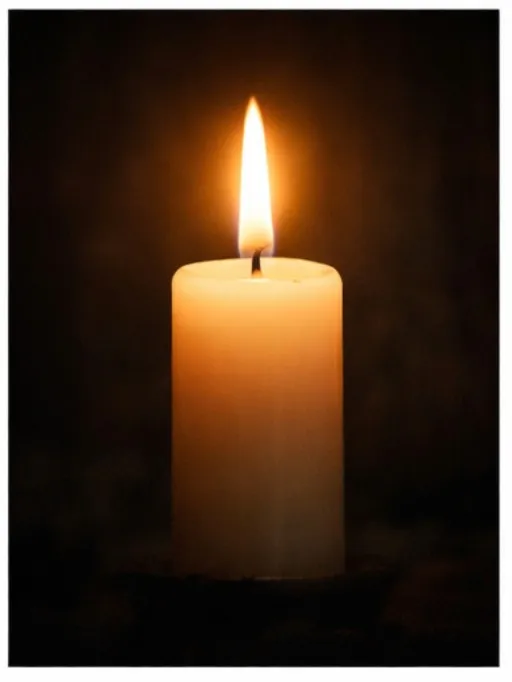
Lighting Candles: Cemeteries glow with thousands of candles on All Saints' Eve and Day, creating a moving atmosphere of remembrance.
Chrysanthemums: These flowers are the traditional symbol of All Saints' Day in Europe, representing death and mourning.
All Saints' Day Foods: Traditional foods include soul cakes (England), Pan de Muerto (Mexico), and various regional sweets.
Processions: In some countries, processions to cemeteries are organized by parishes.
Family Gatherings: Extended families often reunite to visit ancestral graves together.
Prayer for the Dead: Catholics pray for souls in purgatory, believing their prayers help the departed reach heaven.
Where It's Observed
All Saints' Day is a public holiday in 24 countries. In 2025, it falls on Saturday, November 1.
Fun Facts
- All Saints' Day was originally celebrated on May 13 before being moved to November 1 in the 8th century
- The word Halloween comes from All Hallows' Eve, the evening before All Saints' Day
- In Poland, cemeteries are visited by millions of people, with over 1 million candles lit in Warsaw alone
- Chrysanthemums are called the flower of the dead in many European countries
- In the Philippines, families camp overnight at cemeteries to be close to deceased relatives
- The tradition of soul cakes in England influenced modern trick-or-treating
- In Guatemala, giant kites are flown to communicate with the dead
- All Saints' Day is a public holiday in over 20 countries worldwide
Frequently Asked Questions
What is the difference between All Saints' Day and All Souls' Day?
All Saints' Day (November 1) honors all saints in heaven, while All Souls' Day (November 2) specifically commemorates the faithful departed, especially those believed to be in purgatory. Together they form Allhallowtide, a period of remembering the dead.
Why do people visit cemeteries on All Saints' Day?
Visiting cemeteries is a tradition to honor and remember deceased loved ones. Families clean graves, place flowers and candles, and pray for the departed. This practice reflects the belief in maintaining a spiritual connection with those who have passed.
Is All Saints' Day a public holiday?
All Saints' Day is a public holiday in many Catholic countries including France, Spain, Italy, Poland, Portugal, Austria, Belgium, and several Latin American nations. Businesses and schools are typically closed.
What flowers are traditional for All Saints' Day?
Chrysanthemums are the traditional flowers for All Saints' Day in Europe, symbolizing death and remembrance. In some countries, marigolds are also used, particularly in Mexico for Día de los Muertos celebrations.
What is the connection between Halloween and All Saints' Day?
Halloween (October 31) is the eve of All Saints' Day. The name Halloween comes from All Hallows' Eve. Many Halloween traditions evolved from Celtic Samhain celebrations that were later Christianized when All Saints' Day was established on November 1.
Why is November 1st chosen for All Saints' Day?
Pope Gregory III established November 1 as All Saints' Day in the 8th century. Some historians believe this date was chosen to Christianize the Celtic festival of Samhain, which marked the end of harvest and honored the dead.
Travel Inspiration
Planning a trip around All Saints' Day? Explore our travel guides for destinations where this holiday is celebrated.


Rio de Janeiro Itineraries: 3, 5 and 7 Day Plans
Read more →
Best Outdoor Activities in Blue Mountains National Park
Read more →
Vienna 4-Day Cultural Itinerary: Museums to Palaces 2026
Read more →
Family-Friendly Activities Vienna: Complete Guide with Kids
Read more →