
All Souls' Day
2026Monday, November 2
Quick Facts
- Date
- Monday, November 2, 2026
- Observed in
- Austria, Belgium, Bolivia, Brazil, Switzerland +26 more
- Type
- Christian Holiday
What is All Souls' Day?
All Souls' Day is a solemn Christian observance held on November 2nd, dedicated to commemorating the faithful departed. It is a day to pray for the souls of those who have died, particularly those believed to be in purgatory.
The day follows All Saints' Day (November 1st) and together they form a triduum with Halloween (October 31st). While All Saints' Day honors saints in heaven, All Souls' Day remembers all who have passed away and may still need prayers to reach paradise.
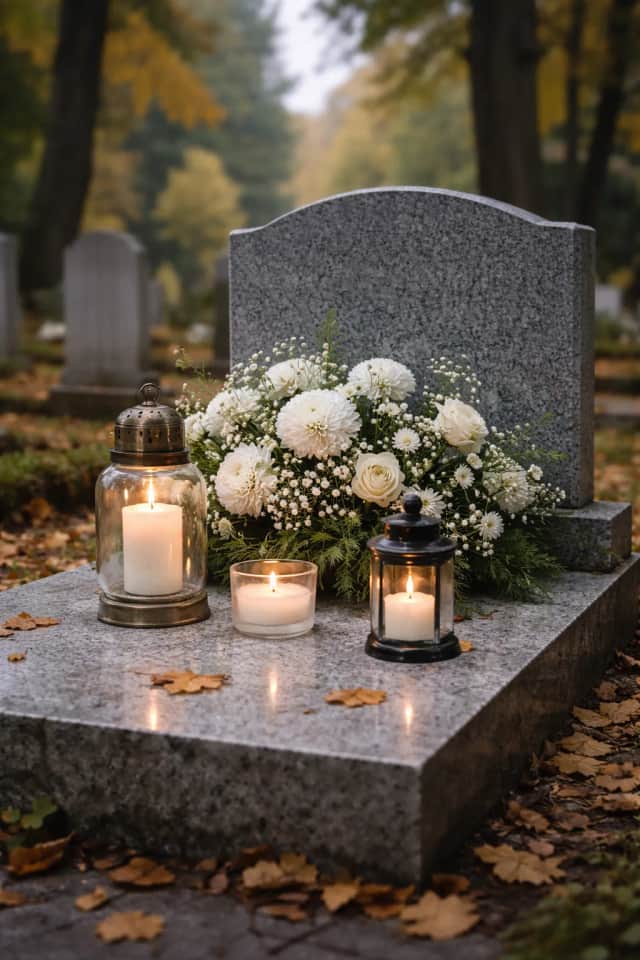
Traditions include visiting cemeteries, lighting candles on graves, attending memorial masses, and praying for deceased relatives. In many cultures, this day merges with local traditions of honoring ancestors, creating rich celebrations that blend faith with folklore.
When is All Souls' Day 2026?
All Souls' Day is on Monday, November 2 in 2026. Check the dates and days for other years in the table below.
History & Origin
All Souls' Day was established by Odilo, Abbot of Cluny, in 998 AD. He designated November 2nd as a day for his monasteries to pray for the souls of the departed. The practice quickly spread throughout Western Christianity.
The theological basis comes from the Catholic doctrine of purgatory - a state of purification where souls destined for heaven are cleansed before entering paradise. Prayers, masses, and good works by the living can help these souls.
In the Middle Ages, "souling" became popular - poor people would go door to door on All Souls' Day, receiving food in exchange for prayers for the dead. This practice is considered a precursor to modern trick-or-treating.
After the Reformation, Protestant churches largely discontinued the practice, but it remained strong in Catholic countries and has seen renewed interest in recent years.
How It's Celebrated
Visiting Cemeteries: Families visit the graves of loved ones, cleaning and decorating them with flowers, wreaths, and candles.
Lighting Candles: Candles are lit on graves to symbolize the light of Christ and hope for eternal life.
Memorial Masses: Churches hold special masses for the deceased, often reading names of parishioners who died during the year.
Día de los Muertos (Mexico): A vibrant celebration blending Catholic traditions with indigenous Aztec beliefs, featuring altars (ofrendas), marigolds, sugar skulls, and favorite foods of the deceased.
Food Offerings: Many cultures prepare special foods for the dead or share meals at gravesites.
All Souls' Bread: Various countries have traditional breads like "Pan de Muerto" (Mexico) or "Fave dei Morti" (Italy).
Praying the Rosary: Families gather to pray the rosary for their deceased relatives.
Cemetery Vigils: In some countries, families spend the night at cemeteries.
Where It's Observed
All Souls' Day is a public holiday in 9 countries. In 2026, it falls on Monday, November 2.
Fun Facts
- The Mexican Día de los Muertos is recognized by UNESCO as Intangible Cultural Heritage of Humanity
- In Poland, over 1 million candles are lit at Powązki Cemetery in Warsaw on All Souls' Day
- The tradition of souling in medieval England influenced modern Halloween trick-or-treating
- In the Philippines, families hold picnics at cemeteries and spend the night with their departed
- Mozart's Requiem, one of the most famous pieces of music ever written, was composed for All Souls' Day services
- In Ecuador, families eat a special bread called guaguas de pan (bread babies) shaped like swaddled infants
- The marigold flower, used extensively in Mexican celebrations, is called cempasúchil and believed to guide spirits home
- In Austria and Germany, godparents traditionally give their godchildren soul cakes on this day
Frequently Asked Questions
What is the difference between All Saints' Day and All Souls' Day?
All Saints' Day (November 1) honors all saints in heaven, especially those without their own feast day. All Souls' Day (November 2) is dedicated to praying for all the faithful departed, particularly those in purgatory who are being purified before entering heaven.
What is Día de los Muertos?
Día de los Muertos (Day of the Dead) is a Mexican celebration blending Catholic All Souls' traditions with indigenous Aztec beliefs. Families create altars (ofrendas) with photos, marigolds, candles, and favorite foods to welcome the spirits of deceased relatives who are believed to return for a visit.
Why do people light candles on graves?
Candles symbolize the light of Christ, hope for eternal life, and serve as a beacon to guide souls. The tradition also represents prayers ascending to heaven and the enduring memory of the deceased.
Is All Souls' Day a public holiday?
All Souls' Day is a public holiday in several countries including Mexico, Philippines, Ecuador, and parts of Brazil. In many European countries like Poland, Italy, and Austria, while November 1st (All Saints') is the public holiday, November 2nd is still widely observed.
What is purgatory?
In Catholic teaching, purgatory is a state of purification after death where souls destined for heaven are cleansed of remaining sins and imperfections. Prayers and masses offered by the living can help shorten this purification.
How can I participate if I'm not Catholic?
Many traditions around All Souls' Day are cultural rather than strictly religious. Visiting cemeteries, lighting candles, remembering ancestors, and attending community events like Día de los Muertos celebrations are welcoming to people of all backgrounds.
Travel Inspiration
Planning a trip around All Souls' Day? Explore our travel guides for destinations where this holiday is celebrated.


