





🧊 Harbin Ice and Snow Festival: Quick Tips
- 📅 Best time to visit: January (peak season, most sculptures complete) through mid-February
- 🌡️ Temperature: Expect -15°C to -30°C — dress in serious layers
- 🎟️ Top attraction: Harbin Ice and Snow World — budget $30–50 USD and 3–5 hours
- 🗿 Snow sculptures: Sun Island International Snow Sculpture Art Expo — a must-see companion event, $33–40 USD
- 🏨 Find accommodation: hotels in Harbin
- ✈️ Search flights to Harbin: flights to Harbin
- 🚆 Travel by train: trains to Harbin
- 🎿 Browse all Harbin activities: activities in Harbin
Every January, a Siberian city in northeast China transforms into one of the most jaw-dropping spectacles on the planet. The Harbin Ice and Snow Festival — officially the China Harbin International Ice and Snow Festival — is the world’s largest winter festival, drawing over a million visitors each year to witness towering castles, illuminated pagodas, and entire cities carved from ice and snow. If you’ve ever dreamed of walking through a glowing frozen palace at midnight in temperatures that hover around -25°C, this is your guide to making that dream a reality without losing your fingers to frostbite. From what to see and where to stay, to how to dress and when to book, here’s everything you need to know before you go.
📋 Table of Contents
What Is the Harbin Ice and Snow Festival?
The Harbin Ice and Snow Festival officially opens on January 5th each year and typically runs through the end of February, though the exact closing date depends on temperatures and how well the sculptures hold up. It began in 1985 as a modest local celebration and has since grown into a global phenomenon that rivals events like Rio Carnival or Oktoberfest in sheer scale and ambition.
The festival is anchored by two main venues: Ice and Snow World, where enormous structures are built from blocks of ice cut directly from the frozen Songhua River, and the Sun Island Snow Sculpture Art Expo, where artists from around the world compete to create masterpiece snow carvings. Dozens of secondary events, ice-skating rinks, sledding hills, and cultural performances spread across the city make Harbin feel like winter itself has been turned into an art form.
Best Time to Visit the Harbin Ice and Snow Festival
Timing your visit carefully can make a significant difference in what you experience. Here’s a breakdown of the festival season:
- Early January (January 5–15): The official opening week. The sculptures are freshest, the illuminations are at their most dramatic, and the atmosphere is electric. This is peak season — expect larger crowds and higher hotel prices, but the full spectacle is worth it.
- Mid to Late January: The sweet spot for many visitors. Crowds thin slightly after the opening rush, prices stabilize, and all major attractions are fully operational. Temperatures are at their most extreme, which actually helps preserve the ice.
- February: A good option if you want lower prices and fewer tourists. Some sculptures may show signs of wear by mid-February, but the main installations at Ice and Snow World remain impressive. Chinese New Year (usually falling in late January or early February) brings a second wave of domestic tourists.
A good tip is to plan for at least three to four days in Harbin to experience the festival properly without feeling rushed. One day won’t do it justice.
Top Attractions at the Harbin Ice and Snow Festival
Ice and Snow World
The undisputed centerpiece of the festival, Harbin Ice and Snow World is a 600,000-square-meter theme park built entirely from ice. Hundreds of thousands of ice blocks — each weighing up to 500 kilograms and cut from the Songhua River — are assembled into structures that can reach 30 to 40 meters in height. At night, LED lights embedded within the ice illuminate the entire park in cascading colors of blue, purple, green, and gold. It’s genuinely one of the most surreal visual experiences you’ll find anywhere in the world.
Plan to spend three to five hours here, and go both during the day and at night if your schedule allows — the two experiences are dramatically different. Entry costs approximately $30–50 USD, and the park stays open until around 10 PM. Book your visit to Harbin Ice and Snow World as part of a broader Harbin itinerary through activities in Harbin to save time on arrival.
Sun Island International Snow Sculpture Art Expo
Located on the north bank of the Songhua River, Sun Island International Snow Sculpture Art Expo is the festival’s artistic companion to Ice and Snow World. Where Ice and Snow World dazzles with scale and light, Sun Island impresses with craft and detail. International teams of snow sculptors compete here, producing enormous works that range from realistic animal portraits to abstract architectural forms. Entry is more affordable at $10–20 USD, and the atmosphere is noticeably more relaxed — a good place to visit in the morning before the evening crowds descend on the ice park.
Zhaolin Park Ice Lantern Festival
Often overlooked by first-time visitors, the Ice Lantern Festival at Zhaolin Park is actually where the Harbin Ice and Snow Festival originally began back in 1963. The park fills with intricately carved ice lanterns in the shapes of animals, mythological figures, and Chinese cultural symbols. It’s more intimate than Ice and Snow World and offers some of the best photography opportunities at the festival. Entry is inexpensive and the park is centrally located, making it an easy addition to any itinerary.
Beyond the Ice: Other Things to Do in Harbin
Harbin has a fascinating character that extends well beyond its famous winter festival. The city’s history as a Russian-influenced trading hub gives it a distinctly European architectural character unlike anywhere else in China.
- Saint Sophia Cathedral: Saint Sophia Cathedral Museum is the most recognizable landmark in Harbin — a stunning Byzantine-style cathedral built in 1907 that now houses an architectural history museum. Entry costs just $3–5 USD and it’s a short walk from the main pedestrian shopping street, Zhongyang Dajie.
- Siberian Tiger Park: Siberian Tiger Park (Northeast Tiger Forest Park) is the world’s largest Siberian tiger breeding center, home to over 100 tigers. Visitors can take bus tours through the enclosures for a close — sometimes uncomfortably close — encounter with these magnificent animals. Budget $15–25 USD and two to three hours.
- Harbin Polarland: Harbin Polarland offers Arctic animal shows including beluga whale performances and polar bear exhibits. It’s particularly popular with families and runs year-round, making it a reliable option on days when extreme cold makes outdoor exploration challenging.
- Zhongyang Dajie (Central Street): This 1.4-kilometer pedestrian boulevard is lined with European-style architecture, souvenir shops, and street food vendors selling everything from Russian-style bread to frozen candied hawthorn skewers. It’s the social heart of Harbin and worth multiple visits at different times of day.
Where to Stay in Harbin
Accommodation in Harbin ranges from international five-star hotels to budget guesthouses, and choosing the right location matters. The most convenient area to stay is the Daoli District, which puts you within walking distance of Zhongyang Dajie, Saint Sophia Cathedral, and the Songhua River — the departure point for buses to Ice and Snow World and Sun Island.
For the full festival experience, many visitors opt for mid-range hotels in the Daoli or Nangang districts. Five-star options like the Sofitel Harbin and Kempinski Hotel Harbin offer excellent facilities and are well-equipped for the cold — think heated lobbies, strong Wi-Fi for planning excursions, and English-speaking staff. Budget travelers will find reasonable options near the train station in Nangang District.
One insider tip worth knowing: book your accommodation at least two to three months in advance if you’re visiting in early January. The festival opening week sells out quickly, and prices can double or triple compared to the shoulder season. Search current availability and compare rates at hotels in Harbin.
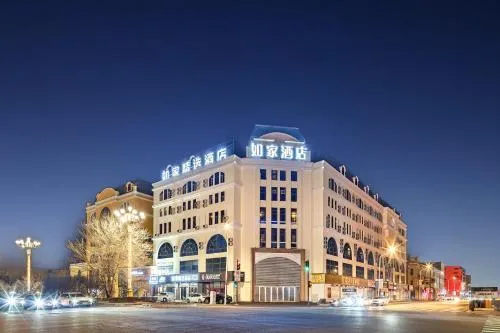
Harbin’s catalogue is thinner than the big cities and the very highest ratings sit on properties with only a handful of reviews, so the four below are the best-reviewed options rather than the best-scored. Central Street is the area to aim for: it is walkable, it is where the Saint Sophia Cathedral is, and it is a short ride from the ice parks across the river.

How to Get to Harbin
Harbin is well-connected to the rest of China and has limited but growing international connections.
By Air
Harbin Taiping International Airport receives direct flights from Beijing, Shanghai, Guangzhou, and several other major Chinese cities. International routes connect Harbin to Tokyo, Seoul, Bangkok, and a handful of Russian cities. Flying is the fastest option for visitors coming from outside northeast China. Compare flight options at flights to Harbin.
By High-Speed Train
China’s high-speed rail network connects Harbin to Beijing in around eight hours and to Shenyang in under two hours. The train is a comfortable, scenic, and often more affordable alternative to flying for domestic travelers. Harbin has two main stations — Harbin Station (city center) and Harbin West Station (high-speed trains). Check schedules and book tickets through trains to Harbin.
What to Wear: Surviving -25°C at the Harbin Ice Festival
This is not a section to skim. Dressing incorrectly for the Harbin Ice and Snow Festival can turn an extraordinary experience into a miserable one — and in extreme cases, lead to genuine health risks. Temperatures regularly drop to -25°C or lower, and wind chill can push the felt temperature even further down.
The layering system used by experienced cold-weather travelers works as follows:
- Base layer: Thermal underwear (top and bottom) in merino wool or moisture-wicking synthetic fabric. Cotton is a poor choice — it holds moisture and loses insulating properties when damp.
- Mid layer: A fleece or down jacket over your thermals. This is your primary insulating layer.
- Outer layer: A windproof, waterproof down coat rated to at least -20°C. Many visitors rent or purchase these locally in Harbin — rental shops near the festival entrances offer heavy-duty coats, trousers, and boots for around 50–100 RMB per day.
- Extremities: These are critical. Wear a hat that covers your ears, a balaclava or neck gaiter, thick gloves (consider mittens over gloves for better warmth), and thermal socks inside waterproof, insulated boots rated to -30°C or lower.
- Hand warmers: Pack disposable chemical hand warmers in your pockets. They’re inexpensive, widely available in Harbin, and genuinely useful when standing still to photograph ice sculptures.
A practical note: your smartphone battery will drain extremely fast in these temperatures. Keep your phone in an inside pocket close to your body, and consider carrying a portable power bank kept warm in the same way.
What to Eat and Drink in Harbin
Harbin’s cuisine reflects its northeastern Chinese heritage and its long Russian influence. The city is famous for a few specific foods that are worth seeking out:
- Harbin Red Sausage (Hongchang): A smoked sausage with clear Russian roots, sold at virtually every shop on Zhongyang Dajie. Buy it warm and eat it on the street.
- Frozen candied hawthorn (Bingtang Hulu): Skewered hawthorn berries coated in hardened sugar syrup. They freeze solid in the outdoor temperatures, creating a uniquely satisfying crunch.
- Russian bread (Da Liepa): Dense, dark sourdough bread that’s a Harbin specialty, sold in bakeries throughout the city.
- Guokui and dongbei hotpot: Northeastern Chinese hotpot is rich, warming, and deeply satisfying after hours in the cold. Look for restaurants in the Daoli and Nangang districts.
- Beer: Harbin Beer is China’s oldest brewery, founded in 1900. Drinking it in its home city, even in winter, feels like the right thing to do.
Practical Tips and Insider Advice
- Go to Ice and Snow World on a weekday evening if possible. Weekend nights can get extremely crowded, which paradoxically makes the cold feel worse as you wait in queues.
- Download WeChat and Alipay before you arrive. Cash is becoming less common in China, and these apps are essential for payments, navigation, and even buying tickets at some venues.
- Bring a VPN. Google Maps, Instagram, WhatsApp, and most Western apps are blocked in China. Install a reliable VPN on your devices before entering the country.
- Rent equipment locally. If you don’t own extreme cold-weather gear, don’t buy it at home — rental shops near the main festival venues offer everything you need at reasonable prices.
- Allow warming-up breaks. Plan your evenings around indoor stops — a restaurant, a café, a hotel lobby — every hour or two. Continuous exposure to -25°C is exhausting and potentially dangerous.
- Photography tip: Shoot ice sculptures from a low angle during the first hour after dark when the sky still holds a deep blue tone. The contrast between the illuminated ice and the twilight sky produces spectacular results.
- Book all activities in advance. Use activities in Harbin to secure your spots for popular events, especially during opening week.
Frequently Asked Questions About the Harbin Ice and Snow Festival
When does the Harbin Ice and Snow Festival start and end?
The Harbin Ice and Snow Festival officially opens on January 5th each year and typically runs through late February or early March, depending on temperatures. The opening ceremony is held at Ice and Snow World and is a major event in its own right.
How cold is it at the Harbin Ice Festival?
Harbin in January is genuinely extreme. Average daytime temperatures range from -15°C to -20°C, with nighttime lows regularly reaching -25°C to -30°C. Wind chill can push the felt temperature even lower. Proper cold-weather clothing is not optional — it’s essential.
Is the Harbin Ice and Snow Festival worth the trip?
For most visitors, the answer is an emphatic yes. The scale and artistry of the ice and snow sculptures are unlike anything else in the world, and the experience of walking through an illuminated ice city at night in sub-zero temperatures is genuinely unforgettable. The key is preparation — dress correctly, plan your itinerary in advance, and give yourself enough days to see everything without rushing.
How many days do you need at the Harbin Ice and Snow Festival?
A minimum of three days is recommended to cover the main festival venues (Ice and Snow World, Sun Island, Zhaolin Park) plus some of Harbin’s other attractions. Four to five days allows a more relaxed pace and time for day trips or additional activities like the Siberian Tiger Park (Northeast Tiger Forest Park) or Harbin Polarland.
Do I need a visa to attend the Harbin Ice and Snow Festival?
For most European travellers, no. China’s unilateral visa-free scheme admits ordinary passport holders from a long list of countries — Germany, France, Italy, Spain, the Netherlands, Poland, Portugal and Croatia among them — for stays of up to 30 days. British, American, Canadian and Australian passports are not on that list, but do qualify for visa-free transit of up to 240 hours (10 days) when you arrive at a designated port holding an onward ticket to a third country. Confirm your own nationality’s status with your nearest Chinese embassy before booking — these schemes have been revised repeatedly — and if you do need a full tourist visa, allow one to three weeks.
What are the Harbin Ice and Snow Festival ticket prices?
Prices vary by venue. Ice and Snow World (Harbin Ice and Snow World) typically costs 330 RMB (approximately $45 USD) for evening admission. Sun Island’s Snow Sculpture Art Expo is a separate winter ticket at roughly 240–290 RMB ($33–40 USD) — not to be confused with the cheaper summer park admission. Zhaolin Park’s Ice Lantern Festival is the most affordable option. Prices can change year to year, so check current rates before your trip.
Plan Your Harbin Ice and Snow Festival Trip
The Harbin Ice and Snow Festival is one of those rare travel experiences that genuinely lives up to the hype — and in many cases, exceeds it. A glowing ice palace rising 40 meters against a black winter sky, the crunch of packed snow underfoot, the smell of roasting sausages drifting from a street cart, and temperatures so cold they make every breath feel like an event: this is a destination that engages all the senses in ways that photographs simply can’t capture.
The key to making the most of it is preparation. Book early, dress properly, plan your days around warming breaks, and give yourself enough time to move at a pace that lets you actually absorb what you’re seeing. Use the resources below to get started:
- 🏨 Find and book hotels in Harbin: hotels in Harbin
- ✈️ Search flights to Harbin: flights to Harbin
- 🚆 Book train tickets to Harbin: trains to Harbin
- 🎟️ Browse all Harbin activities and tours: activities in Harbin
Whether you’re a seasoned cold-weather traveler or someone who’s never experienced temperatures below freezing, the Harbin Ice and Snow Festival has a way of making the world feel genuinely magical. Start planning now — and pack an extra pair of gloves.


