



🐼 Chengdu Family Trip: Quick Tips & Highlights
- 🌟 Top Attraction: Chengdu Research Base of Giant Panda Breeding — Book early morning slots to see pandas at their most active
- 🎭 Evening Entertainment: Sichuan Opera Face-Changing Performance — Kids love the lightning-fast mask changes and fire-breathing
- 🍜 Food & Culture: Jinli Ancient Street Cultural Experience — Perfect for snack-loving families exploring Chengdu’s heritage
- 🏔️ Day Trips: Leshan Giant Buddha and Mount Emei Scenic Area for unforgettable excursions from the city
- 🎟️ Browse All Activities: activities in Chengdu
- 🏨 Find Family Hotels: hotels in Chengdu
- ✈️ Search Flights: flights to Chengdu
- 🚄 Train Travel: trains to Chengdu
Best time to visit: March–June or September–November | Minimum recommended stay: 4–5 days
Planning a family holiday in China? Chengdu with kids and pandas is one of the most rewarding combinations in all of Asian travel — a city that somehow manages to be simultaneously ancient, futuristic, laid-back, and wildly exciting for children of every age. From getting nose-to-nose with the world’s most beloved bears at the Chengdu Research Base of Giant Panda Breeding to standing slack-jawed before 3,000-year-old bronze masks at the Sanxingdui Museum, and marvelling at an irrigation system that has kept farmland fertile for over two millennia at Dujiangyan, Chengdu delivers a family itinerary that is genuinely hard to beat anywhere on Earth. This guide covers everything you need to know to plan an unforgettable trip — logistics, insider tips, age-by-age advice, and the best ways to book.
Table of Contents
- Why Chengdu is Perfect for Families
- Chengdu with Kids: The Panda Experience
- Dujiangyan: Where Engineering Meets Adventure
- Sanxingdui: The Bronze Age Blows Kids’ Minds
- More Chengdu Attractions for Families
- Eating in Chengdu with Kids
- Practical Tips: Getting Around, Staying, and Planning
- Where to Stay in Chengdu
- Sample 5-Day Family Itinerary
- FAQ: Chengdu with Kids and Pandas
- Ready to Book Your Chengdu Family Adventure?
Why Chengdu is Perfect for Families
Chengdu, the capital of Sichuan Province in southwest China, has a well-earned reputation as one of the country’s most liveable and visitor-friendly cities. For families, it offers a rare combination: world-class wildlife encounters, genuinely jaw-dropping history, manageable city logistics, and a food culture that — spice warnings aside — gives even young eaters plenty to enjoy. The city is flat, its metro system is clean and easy to navigate, and English signage has improved dramatically at major tourist sites. Unlike some of China’s more overwhelming megacities, Chengdu moves at a pace that lets you breathe.
The city also sits within easy reach of some remarkable day-trip destinations. Dujiangyan, just 60 kilometres northwest, pairs a UNESCO-listed ancient irrigation system with a panda centre specifically designed for volunteer encounters. Sanxingdui, about 40 kilometres to the north, houses one of the most astonishing archaeological finds of the 20th century. Further afield, Leshan Giant Buddha and Mount Emei Scenic Area offer full-day excursions for families with older children and plenty of stamina.
Chengdu with Kids: The Panda Experience
Let’s be honest — for most families, the pandas are the main event. Visiting Chengdu with kids to see pandas is a bucket-list moment that lives up to the hype, and the Chengdu Research Base of Giant Panda Breeding is where it all happens. Located about 10 kilometres north of the city centre, this sprawling 165-hectare reserve is home to more than 50 giant pandas at any given time, along with red pandas, black-necked cranes, and other endangered species.
Getting the Most Out of Your Panda Visit
Timing is everything. Giant pandas are most active in the early morning, typically between 8am and 10am, when keepers distribute their beloved bamboo breakfast. Arriving at opening time (usually 7:30am) means you’ll catch the pandas in full feeding frenzy — rolling, munching, and generally performing for the crowd. By mid-morning, most have retreated into bamboo-induced naps, which are adorable but less interactive. A good tip is to book tickets in advance online, as daily visitor numbers are capped and sell out during Chinese public holidays.
The base is large enough to warrant a full half-day, and there’s a tram service inside for families with younger children or tired legs. Strollers are available to rent at the entrance. The red panda enclosure is a particular hit with smaller children — these fox-like creatures are far more approachable in appearance and tend to be more active throughout the day.
Panda Volunteer Experiences at Dujiangyan
For families with older children (generally 12 and above), the Dujiangyan Panda Base offers a more intimate panda experience through its volunteer programme. Here, participants can assist keepers with food preparation, cleaning enclosures, and observing panda behaviour up close. It’s a half-day commitment that requires advance booking and carries a fee, but families consistently rate it among the most memorable experiences of their entire China trip. Check activities in Chengdu for current availability and pricing.
Dujiangyan: Where Ancient Engineering Meets Family Adventure
Most families visiting Chengdu with kids focus on the pandas and overlook Dujiangyan’s other headline act — and that’s a genuine shame. The Dujiangyan Irrigation System, built in 256 BC by the Qin state engineer Li Bing, is one of the oldest and only surviving non-dam irrigation systems in the world. It was designated a UNESCO World Heritage Site in 2000, and for good reason: it still functions today, channelling water from the Min River to irrigate over 5 million hectares of the Chengdu Plain.
For kids, the appeal is visceral rather than historical. The site involves crossing suspension bridges over roaring white water, walking along channels where the engineering genius of the system becomes visually obvious, and climbing Fish Mouth Levee — a narrow embankment that splits the river into inner and outer channels. It’s dramatic, photogenic, and far more engaging for children than most “UNESCO site” experiences. The surrounding Qingcheng Mountain area adds hiking options for active families.
Getting to Dujiangyan from Chengdu is straightforward. High-speed trains run from Chengdu North Station and take around 40 minutes, making it an easy day trip. You can search train options via trains to Chengdu. Alternatively, many families opt for a private car or organised tour that combines Dujiangyan’s irrigation system with the panda base in a single day.
Sanxingdui: The Bronze Age Attraction That Blows Kids’ Minds
If you’ve never heard of Sanxingdui, prepare to have your understanding of ancient history thoroughly scrambled — in the best possible way. Discovered accidentally by a farmer in 1929 and excavated in earnest from the 1980s onwards, the Sanxingdui site represents a Bronze Age civilisation that existed in the Sichuan Basin around 1200–1000 BC. What makes it extraordinary — and genuinely thrilling for children — is that its artefacts look like nothing else from the ancient world.
The bronze masks are the stars of the show: enormous, wide-eyed faces with protruding eyes, some measuring over a metre across, that bear an uncanny resemblance to alien or science-fiction imagery. The gold-leafed figures, the towering bronze tree (the largest bronze object from the ancient world), and the mysterious jade objects all combine to create an atmosphere that feels more like a science museum than a traditional history gallery. Children who might glaze over at conventional museum exhibits tend to be absolutely riveted here.
Visiting Sanxingdui Museum Practically
The museum underwent a major expansion that opened in 2023, adding a spectacular new building that houses the most recent excavation finds — including bronzes and gold objects discovered only in 2020 and 2021. The new wing is state-of-the-art and genuinely world-class. Plan for at least three hours, and consider hiring an audio guide or a bilingual guide, as context significantly enhances the experience for older children. The museum is located in Guanghan City, about 40 kilometres north of Chengdu, and is reachable by bus, taxi, or organised tour. Entry is free, though timed tickets must be reserved in advance online — a step many international visitors miss.
A good tip is to combine Sanxingdui with a visit to the nearby ancient town of Luodai or the broader Chengdu Plain for a full day out. Families travelling independently can arrange car hire through car rentals in Chengdu to make the logistics easier.
More Chengdu Attractions for Families
Sichuan Opera: Spectacular Family Entertainment
An evening at the Sichuan Opera Face-Changing Performance is a near-universal hit with families. The headline act — bian lian, or face-changing — involves performers swapping elaborately painted masks in the blink of an eye, with no discernible mechanism. Children (and adults) are left genuinely baffled and delighted. Most shows also include fire-breathing, shadow puppetry, and acrobatics. Performances typically run in the evening at dedicated theatres around the city, and tea-house settings add a cultural dimension. Prices range from ¥150 for basic seating to ¥480 for front-row VIP tables with dinner.
Jinli Ancient Street
Jinli Ancient Street Cultural Experience is a pedestrianised lane near the Wuhou Shrine that recreates the atmosphere of a Han Dynasty commercial street. For families, it’s essentially a very enjoyable food and souvenir crawl — children can try rabbit-head skewers (a Chengdu delicacy), sweet glutinous rice cakes, and sugar-spun animals, while parents browse silk goods and local crafts. It’s best visited in the early evening when lanterns are lit and street performers appear. Entry is free, though guided food tours provide better context and access to less obvious stalls.
Day Trips: Leshan and Mount Emei
For families with older children and an appetite for bigger adventures, both Leshan Giant Buddha and Mount Emei Scenic Area make memorable day or overnight trips from Chengdu. The Leshan Giant Buddha — carved into a cliff face at the confluence of three rivers — is one of the most dramatic sights in China, and the boat tour that passes beneath the 71-metre statue is particularly thrilling. Mount Emei, a UNESCO-listed sacred Buddhist mountain, offers cable cars, ancient monasteries, and the chance to spot wild Tibetan macaques. Both destinations are reachable by high-speed train — search options at trains to Chengdu.
Eating in Chengdu with Kids
Sichuan cuisine is famously spicy, but Chengdu’s restaurant scene is far more accommodating than its reputation suggests. Most restaurants offer non-spicy (不辣, bù là) versions of dishes on request, and there’s a broad range of mild options that children tend to love: dan dan noodles (ask for mild), steamed dumplings, sweet tofu pudding (douhua), and various hotpot broths. The city also has a thriving international food scene for evenings when the family needs a break from chopsticks and chilli.
Street food is a major part of the Chengdu experience and generally very safe for visitors. A good strategy is to follow the crowds to busy stalls, which indicates high turnover and fresher ingredients. The Jinli and Kuanzhai Alley areas are the most tourist-friendly spots to graze, with English menus increasingly common. For a more structured food introduction, consider a guided street food tour — browse options at activities in Chengdu.
Practical Tips: Getting Around, Staying, and Planning
Getting Around Chengdu with Kids
- Metro: Clean, air-conditioned, and cheap. Lines 1–9 cover most tourist areas. Children under 1.2m travel free.
- Didi (ride-hailing): China’s equivalent of Uber works well in Chengdu. The international version accepts foreign payment methods.
- Car hire: For day trips to Sanxingdui, Dujiangyan, or further afield, a private car is often the most practical option. See car rentals in Chengdu.
- Taxis: Plentiful and metered, but drivers rarely speak English — have your destination written in Chinese characters.
Where to Stay
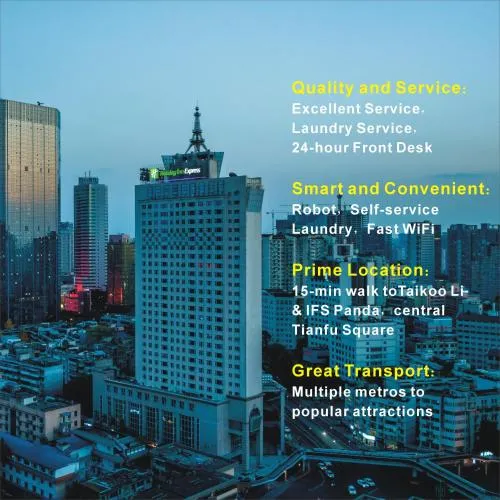
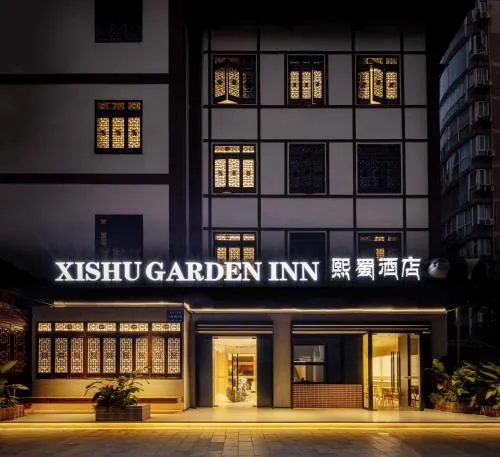
For families, the most practical areas to stay are Jinjiang District (central, close to metro and restaurants) or the area around Tianfu Square. Several international hotel chains have family rooms and facilities. Budget-conscious families will find excellent value in Chengdu compared to Beijing or Shanghai — a comfortable family room in a well-located hotel typically costs significantly less. Search current availability at hotels in Chengdu.
Flights and Getting to Chengdu
Chengdu Tianfu International Airport (TFU), which opened in 2021, now handles most long-haul international flights, while the older Shuangliu Airport (CTU) handles domestic routes. Direct flights are available from many Asian hub cities; travellers from Europe and North America typically connect through Beijing, Shanghai, or Hong Kong. Search and compare flights at flights to Chengdu.
Visas and Practical Considerations
- Visa-free transit: China offers 240-hour (10-day) visa-free transit for citizens of many countries — check current eligibility before booking.
- WeChat Pay / Alipay: Cash is increasingly obsolete in Chengdu. Set up a mobile payment method before arrival or carry sufficient cash for smaller vendors.
- VPN: Google, WhatsApp, and most Western social media are blocked in China. Download a reliable VPN before departure.
- Health: No specific vaccinations are required for Chengdu, but standard travel health precautions apply. Bring any prescription medications in their original packaging.
Where to Stay in Chengdu
Chengdu is unusually easy to book: the centre is compact and almost every well-reviewed property sits within two kilometres of Tianfu Square. Qingyang, west of it, holds the old town and the teahouses; Jinjiang, east, is the modern shopping district. Both are about forty minutes from the panda base by taxi, so the early start matters more than the address.
Sample 5-Day Chengdu Family Itinerary
Day 1: Arrive, check in, explore Jinli Ancient Street (Jinli Ancient Street Cultural Experience) in the evening for a gentle introduction to Chengdu street food and atmosphere.
Day 2: Early start at Chengdu Research Base of Giant Panda Breeding — arrive at 7:30am to catch panda feeding time. Spend the morning with the pandas and red pandas, then afternoon at Wuhou Shrine. Evening Sichuan Opera performance (Sichuan Opera Face-Changing Performance).
Day 3: Day trip to Dujiangyan — combine the UNESCO irrigation system with the Dujiangyan Panda Base. Travel by high-speed train (trains to Chengdu).
Day 4: Day trip to Sanxingdui Museum — allow a full morning and afternoon. Hire a car for convenience (car rentals in Chengdu) or join an organised tour (activities in Chengdu).
Day 5: Explore central Chengdu — Kuanzhai Alley, People’s Park (teahouse culture), and final shopping before departure.
FAQ: Chengdu with Kids and Pandas
Is Chengdu a good destination for families with young children?
Yes, very much so. Chengdu is one of China’s most family-friendly cities. The panda base, Dujiangyan, and Sanxingdui are all genuinely engaging for children of different ages, the city is easy to navigate, and international-standard family hotels are widely available. The main challenge is managing spicy food, which is easily navigated with a little advance knowledge.
What is the best age to take kids to see pandas in Chengdu?
Children of virtually any age enjoy the panda experience, but the magic really lands from around age 3 onwards, when children can appreciate what they’re seeing. The Chengdu Research Base of Giant Panda Breeding has stroller-friendly paths and tram services, making it accessible for toddlers. For the more immersive volunteer experiences at Dujiangyan, participants are generally required to be at least 12 years old.
How much does it cost to see pandas in Chengdu with kids?
Entry to the Chengdu Research Base of Giant Panda Breeding costs ¥55 for adults during off-peak periods and up to ¥150 during peak season. Children under a certain height (typically 1.2m) often enter free. The Dujiangyan volunteer programme costs significantly more — typically several hundred yuan per person — and must be booked in advance. Budget approximately ¥300–500 per adult for a full panda day including transport and food.
Can you hold a panda in Chengdu?
The practice of paying to hold a panda has been phased out at reputable centres, including the main Chengdu Research Base, due to animal welfare concerns. Responsible wildlife tourism advocates strongly against it. However, close-proximity viewing, feeding sessions (through fences), and volunteer programmes still offer genuinely memorable panda encounters. Any venue still offering paid panda-holding experiences should be approached with scepticism.
How many days do you need in Chengdu with kids?
A minimum of four to five days is recommended to cover the panda base, Dujiangyan, Sanxingdui, and the city’s cultural highlights without feeling rushed. Families who want to add Leshan Giant Buddha or Mount Emei Scenic Area should plan for six to seven days. Chengdu rewards a slower pace — it’s a city that’s genuinely enjoyable to simply wander in, and children respond well to days that mix major attractions with relaxed exploration.
Is Chengdu safe for families travelling with children?
Chengdu is considered very safe for families. China’s major cities have low rates of street crime, and Chengdu in particular has a relaxed, welcoming atmosphere. The main practical considerations are air quality (which varies seasonally), food hygiene at very informal street stalls, and the language barrier. Having key phrases and addresses written in Chinese characters — or using a translation app — resolves most communication challenges.
Ready to Plan Your Chengdu Family Adventure?
A family trip to Chengdu — with pandas, ancient wonders, and extraordinary food — is the kind of holiday that children talk about for years afterwards. The combination of the Chengdu Research Base of Giant Panda Breeding, the engineering spectacle of Dujiangyan, and the genuinely mind-bending bronzes of Sanxingdui creates an itinerary that is educational, exciting, and deeply memorable in equal measure. The city itself, with its teahouse culture, vibrant street food, and spectacular evening performances like Sichuan Opera Face-Changing Performance, provides a rich backdrop that rewards every hour you spend in it.
Use the links below to start building your trip:
- 🎟️ Browse Chengdu activities and tours: activities in Chengdu
- 🏨 Find family-friendly hotels in Chengdu: hotels in Chengdu
- ✈️ Search and compare flights to Chengdu: flights to Chengdu
- 🚄 Book high-speed trains to Dujiangyan, Leshan, and beyond: trains to Chengdu
- 🚗 Arrange a rental car for day trips: car rentals in Chengdu
Start planning early — panda base tickets and popular tours sell out quickly during Chinese public holidays and summer school breaks. Your family’s most unforgettable holiday is waiting in Chengdu.


