
Songkran: Thailand's Water Festival
2030Saturday, April 13
Quick Facts
- Date
- Saturday, April 13, 2030
- Observed in
- Thailand
- Type
- Public Holiday
What is Songkran: Thailand's Water Festival?
Songkran is Thailand's most famous festival and the traditional Thai New Year celebration, held annually from April 13-15. The name comes from the Sanskrit word "sankranti" meaning "astrological passage," marking the sun's transition into the zodiac sign of Aries and the beginning of a new solar year.
What began centuries ago as a gentle ritual of pouring scented water over Buddha statues and elders' hands has evolved into the world's largest water fight, attracting millions of participants and tourists who fill Thailand's streets with joyful splashing, water guns, and buckets of water.
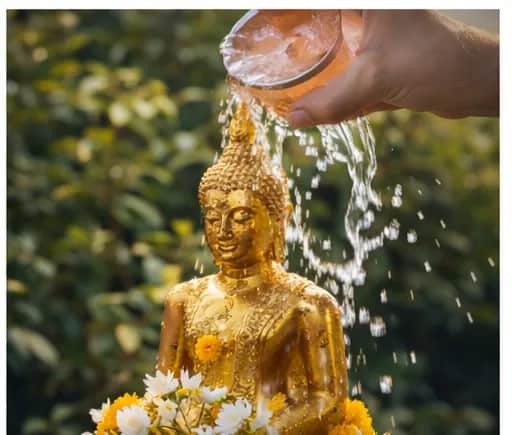
The festival uniquely combines ancient Buddhist traditions with modern exuberant celebration. In the mornings, Thai families visit temples to make merit and pay respect to monks. They pour lustral water over Buddha images in a purification ritual, then gently pour water over the hands of elders to receive blessings. By afternoon, the streets transform into massive water battlegrounds where locals and tourists alike engage in friendly water warfare.
Songkran marks the hottest time of year in Thailand, when temperatures regularly exceed 40°C (104°F), making the water festivities particularly refreshing. The three-day holiday period sees the largest internal migration in Thailand as millions travel home to their provinces for family reunions, similar to Chinese New Year traditions.
When is Songkran: Thailand's Water Festival 2030?
Songkran: Thailand's Water Festival is on Saturday, April 13 in 2030. Check the dates and days for other years in the table below.
History & Origin
Songkran's origins trace back over 1,000 years to ancient Hindu-Buddhist traditions that marked important astronomical events. The celebration was adopted from the Hindu festival honoring the solar new year and absorbed deeper Buddhist significance as Theravada Buddhism spread throughout Southeast Asia.
Ancient Origins
The word "Songkran" derives from Sanskrit "sankranti," referring to the movement of the sun from one zodiac position to another. In traditional Thai astrology, this moment marked the most auspicious time for renewal and purification. Ancient Thais calculated this transition using the Hindu solar calendar, always falling in mid-April.
Traditional Water Rituals
Historically, Thai people performed "rod nam dam hua"—gently pouring jasmine-scented water mixed with fragrant flowers over Buddha statues and into the palms of elders and parents. This sacred act symbolized washing away sins and misfortune from the previous year while bestowing blessings for the year ahead. The water used was not ordinary tap water but specially prepared lustral water infused with flowers and natural perfumes.
Evolution to Modern Celebration
In the 20th century, particularly from the 1960s onward, the festival evolved dramatically. Urban Thai youth began transforming the gentle water ritual into playful splashing between friends. What started as modest fun escalated as participants used larger containers, then hoses, then water guns purchased for the occasion. By the 1980s, the festival had become internationally famous for its massive water fights.
The addition of "din sor pong" (white powder paste) mixed with water to create a cooling menthol cream became popular, though modern participants also use colored powders similar to Holi celebrations.
Official Recognition
The Thai government officially declared April 13-15 as national Songkran holidays in 1948 during the Phibunsongkhram administration. This three-day period was standardized nationwide, though historically different regions celebrated at slightly different times. In 2023, UNESCO inscribed Songkran as an Intangible Cultural Heritage of Humanity, recognizing both its cultural significance and the need to preserve its traditional aspects alongside modern celebrations.
How It's Celebrated
Temple Visits and Merit-Making: Traditional Songkran observance begins before April 13. Families thoroughly clean their homes to sweep away bad luck. On April 13 (Wan Songkran/Maha Songkran), many Thai Buddhists wake before dawn to offer alms to monks. Later, families gather at temples for "Song Nam Phra"—bathing Buddha images with lustral water while making wishes and prayers.
Rod Nam Dam Hua - Blessing Elders: The heart of traditional Songkran is the ceremony of pouring water over elders' hands. Younger family members kneel before parents and grandparents, gently pouring scented water over their palms while asking forgiveness and requesting blessings. Elders respond with words of wisdom and wishes for prosperity.
Building Sand Chedis: A charming tradition involves building small sand pagodas (chedis) in temple grounds. This represents returning the sand that has been carried out on one's feet throughout the year. Families decorate these miniature stupas with colorful flags and flowers.
Modern Water Fights: The globally famous aspect of Songkran is the massive water fights. Streets become battlegrounds where everyone—locals and tourists—is fair game. Pickup trucks cruise through crowds with barrels of water and jubilant participants armed with hoses. Common weapons include Super Soaker-style water guns, buckets, garden hoses, and traditional silver bowls with scented water.
Songkran Food: Special dishes include Khao Chae (rice soaked in flower-scented water with elaborate side dishes), Kanom Krok (coconut rice pancakes), and various Thai sweets shared among families.
Where It's Observed
Songkran: Thailand's Water Festival is a public holiday in 1 country. In 2030, it falls on Saturday, April 13.
Fun Facts
- Songkran was inscribed by UNESCO as an Intangible Cultural Heritage of Humanity in 2023
- Over 3 billion liters of water are estimated to be used in Bangkok alone during the three-day festival
- The elephant parades in Ayutthaya's ancient temple complex feature elephants spraying water over 30 meters using their trunks
- Thailand's road death toll spikes so dramatically during Songkran that the period is officially called the Seven Dangerous Days
- The traditional jasmine-scented water called nam ob is made by soaking jasmine flowers in water overnight and is believed to bring good fortune
- Ice-cold water from ice blocks became popular in the 1990s and remains controversial as it goes against the traditional gentle blessing
- Songkran celebrations extend across Southeast Asia—called Thingyan in Myanmar, Pi Mai in Laos, and Chaul Chnam Thmey in Cambodia
Frequently Asked Questions
When is Songkran?
Songkran is officially celebrated April 13-15 nationwide. April 13 is Maha Songkran (the last day of the old year), April 14 is Wan Nao (a day of preparation), and April 15 is Wan Payawan (New Year Day). Many areas extend celebrations—Pattaya hosts Wan Lai on April 19, and Chiang Mai often celebrates for nearly a week.
Where is the best place to celebrate Songkran?
Bangkok's Silom Road offers the most intense water fight experience with massive crowds and parties. Chiang Mai provides a more balanced experience with traditional ceremonies and water battles around the ancient moat. Pattaya extends celebrations with beach parties. Each location offers a different atmosphere—choose based on whether you prefer wild parties or cultural immersion.
Is Songkran safe for tourists?
Generally yes, but take sensible precautions. Protect electronics with waterproof cases, avoid motorcycles during peak splashing hours, and stay hydrated. The festival atmosphere is friendly—Thais welcome tourist participation warmly. However, road safety is a genuine concern; avoid driving and use public transport where possible.
Can I opt out of getting wet?
Practically speaking, no—if you are outdoors in celebration areas, you will get soaked. Thais generally respect monks, elderly people, and those in formal attire, but tourists in casual clothes are considered fair game. If you absolutely must stay dry, remain indoors or travel during early morning hours before water battles begin around 10 AM.
What should I bring to Songkran?
Essential items include waterproof phone pouch, waterproof bag for valuables, quick-dry clothing, sandals with grip, sunscreen, and a water gun if you want to participate actively. Cash in small denominations is useful as street vendors sell snacks, water refills, and additional supplies throughout the festival.
Travel Inspiration
Planning a trip around Songkran: Thailand's Water Festival? Explore our travel guides for destinations where this holiday is celebrated.


