
Romanian Great Union Day - Ziua Națională
2028Friday, December 1
Quick Facts
- Date
- Friday, December 1, 2028
- Observed in
- Romania
- Type
- Cultural Holiday
What is Romanian Great Union Day - Ziua Națională?
Romanian Great Union Day (Romanian: Ziua Marii Uniri) is the national day of Romania, also officially known as Ziua Națională a României. It is celebrated on December 1 each year and commemorates the Great Union of 1918 — the unification of Transylvania, Banat, Crișana, and Maramureș with the Kingdom of Romania, forming the modern Romanian state often referred to as România Mare (Greater Romania).
The day was officially proclaimed Romania's national day in 1990, after the fall of the communist regime. Under communism (1947-1989), Romania's national day had been August 23, marking the 1944 coup against the pro-Axis government.
When is Romanian Great Union Day - Ziua Națională 2028?
Romanian Great Union Day - Ziua Națională is on Friday, December 1 in 2028. Check the dates and days for other years in the table below.
History & Origin
Modern Romania emerged in stages. The Romanian Old Kingdom — formed by the union of Wallachia and Moldavia under Alexandru Ioan Cuza in 1859 — gained full independence from the Ottoman Empire in 1878 following the Russo-Turkish War.
1918 was the decisive year for unification. With the collapse of the Austro-Hungarian and Russian empires after World War I, Romanian-majority regions across the broken empires sought reunification with the Old Kingdom:
- Bessarabia voted to unite with Romania on March 27, 1918
- Bukovina voted to unite on November 28, 1918
- Transylvania, Banat, Crișana, and Maramureș voted to unite on December 1, 1918
The December 1 vote took place in Alba Iulia, where the Grand National Assembly — convening 1,228 elected delegates representing the Romanian community of those territories, along with approximately 100,000 onlookers — voted unanimously for union with the Kingdom of Romania.
The unification was confirmed by the 1920 Treaty of Trianon, which formally transferred Transylvania and other Hungarian territories with Romanian majorities to Romania. The new state — România Mare (Greater Romania) — covered nearly twice the area of the pre-war Old Kingdom.
Greater Romania lasted until 1940, when Bessarabia and Northern Bukovina were ceded to the Soviet Union, Northern Transylvania to Hungary, and Southern Dobruja to Bulgaria. Most lost territories returned after 1944, but Bessarabia and Northern Bukovina remained with the USSR — today they form most of the Republic of Moldova and parts of Ukraine.
December 1 was suppressed as a national observance under the communist regime. It was reinstated as Romania's official National Day in 1990, after the December 1989 Revolution that ended the Ceaușescu dictatorship.
How It's Celebrated
Military Parade in Bucharest: The centrepiece of national celebrations — a major military parade in front of the Arch of Triumph on Bulevardul Kiseleff, attended by the President, government ministers, and foreign dignitaries. Air-force flyovers and armoured columns are central.
Alba Iulia Commemorations: The site of the 1918 vote hosts the most historically resonant ceremonies. The Coronation Cathedral (Catedrala Reîntregirii Neamului) and the Citadel of Alba Iulia are the central sites. A large Romanian flag is draped across the citadel walls.
Religious Services: Special Te Deum services at Orthodox cathedrals — the Patriarchal Cathedral in Bucharest, the Coronation Cathedral in Alba Iulia, and major churches in every county capital.
Free Bean Soup: A long-standing tradition — fasole cu cârnați (bean soup with smoked pork sausage) is distributed free of charge at central squares in Bucharest, Cluj-Napoca, Iași, Sibiu, Constanța, and many other cities.
Folk Performances: Traditional Romanian music and dance performances featuring regional ensembles from Transylvania, Moldova, Oltenia, Banat. The national costume (ie — embroidered blouse) is widely worn.
Public Concerts: Major outdoor concerts in central squares — Piața Constituției in Bucharest, Cetatea in Alba Iulia. The Romanian Athenaeum in Bucharest hosts classical concerts.
Christmas Market Opening: In Bucharest, Sibiu, Cluj, and Brașov, the famous Romanian Christmas markets typically open around December 1, lending a festive atmosphere to the day.
Where It's Observed
Romanian Great Union Day - Ziua Națională is a public holiday in 1 country. In 2028, it falls on Friday, December 1.
Travel Tips
Public Holiday: Government offices, banks, and most public services are closed on December 1. Many private businesses also close or reduce hours.
Cold Weather: December in Romania is cold — typically 0-5°C in lowland cities, well below freezing in the Carpathians. Pack warm layers, hat, and gloves. Snow is common in northern Romania.
Bucharest is Central, Alba Iulia is Historic: For the biggest event, head to Bucharest's Arch of Triumph area on Bulevardul Kiseleff — arrive by mid-morning for the military parade. For the most historically resonant experience, Alba Iulia (about 350 km northwest of Bucharest) — accessible by train (4-5 hours from Bucharest).
Christmas Markets: Bucharest's Christmas Market in Piața Constituției, Sibiu's Christmas Market (Piața Mare) — both typically open around December 1, making for an excellent extended visit.
Bran Castle and Sinaia: If combining Great Union Day with regional travel, Bran Castle (the so-called Dracula's Castle) and the Sinaia mountain resort are accessible day trips from Bucharest.
Try Romanian Winter Food: Fasole cu cârnați (bean soup with sausage — often served free on Dec 1), sarmale (cabbage rolls), cozonac (sweet bread), țuică (plum brandy). Most restaurants and pubs offer special menus.
Public Transport: Bucharest's metro and surface transport run normally but may have reduced frequency. STB and Metrorex apps for updates.
Photography: The military parade is heavily photographed. Avoid photographing soldiers' faces close-up or any restricted military equipment.
Fun Facts
- Romania's territory nearly doubled with the 1918 Great Union — the post-war Greater Romania (România Mare) covered about 295,000 km² versus the pre-war Old Kingdom's 138,000 km²
- The Alba Iulia vote on December 1, 1918 brought together 1,228 elected delegates representing the Romanian community of Transylvania, Banat, Crișana, and Maramureș
- December 1 became Romania's national day only in 1990, after the fall of the communist regime; before that the national day was August 23, marking the 1944 coup
- The pre-1918 Romanian Old Kingdom was formed by the 1859 union of Wallachia and Moldavia under Alexandru Ioan Cuza
- The 1920 Treaty of Trianon formally confirmed the transfer of Transylvania from Hungary to Romania — still a source of historical tension between the two countries
- Bessarabia and Northern Bukovina were lost to the Soviet Union in 1940; most of Bessarabia is today the Republic of Moldova
- The free bean soup with smoked sausage (fasole cu cârnați) tradition has been part of Romanian Great Union Day celebrations since the early 20th century
- Alba Iulia's Citadel — the largest Vauban-style fortress in Romania — is the central site for the Great Union Day commemoration
Frequently Asked Questions
When is Romania's Great Union Day?
Romania's Great Union Day (Ziua Marii Uniri) is celebrated on December 1 every year. It is also called Ziua Națională a României (Romania's National Day).
What does Great Union Day commemorate?
It marks the December 1, 1918 vote at Alba Iulia, where representatives of Transylvania, Banat, Crișana, and Maramureș voted unanimously to unite with the Kingdom of Romania. Together with the earlier 1918 votes by Bessarabia (March 27) and Bukovina (November 28), it formed Greater Romania (România Mare).
Is Great Union Day a public holiday?
Yes. December 1 is Romania's most important national holiday. Government offices, banks, schools, and most businesses close. Public transport runs but on reduced schedules.
Why isn't Romanian Independence Day a public holiday?
Romania's independence from the Ottoman Empire (1877-1878) is commemorated on May 10 — formerly Independence Day, currently officially observed as Independence Day, Royalty Day, and Europe Day combined, but not a federal public holiday. December 1 (Great Union Day) is the holiday that carries the full weight of Romanian national identity in modern observance.
Where should I be for Great Union Day?
For the largest event: Bucharest, at the Arch of Triumph on Bulevardul Kiseleff (military parade). For the most historically meaningful: Alba Iulia, where the 1918 vote took place — the Citadel and Coronation Cathedral are the central sites.
Travel Inspiration
Planning a trip around Romanian Great Union Day - Ziua Națională? Explore our travel guides for destinations where this holiday is celebrated.


How Many Days Do You Need in Lofoten Islands? 7-Day Winter Guide
Read more →
Warsaw Winter Guide: Solo Travel Adventures and Indoor Escapes
Read more →
Things to Do in Austin in Winter: Complete 5-Day Guide
Read more →
Bay of Islands Summer Guide: 5 Days of Water Adventures
Read more →
Serengeti Green Season Photography Guide: Rain & Wildlife
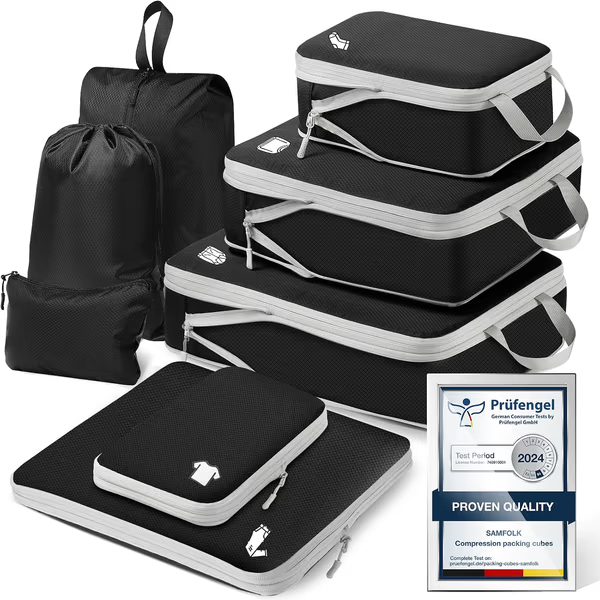
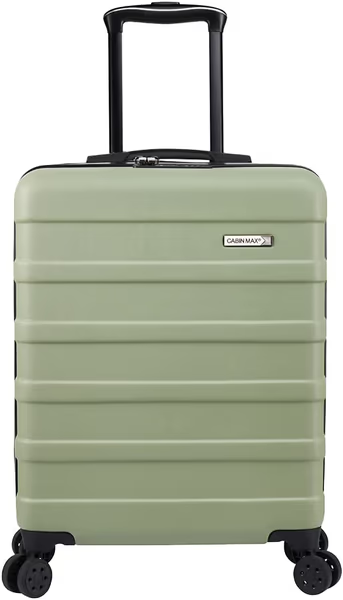
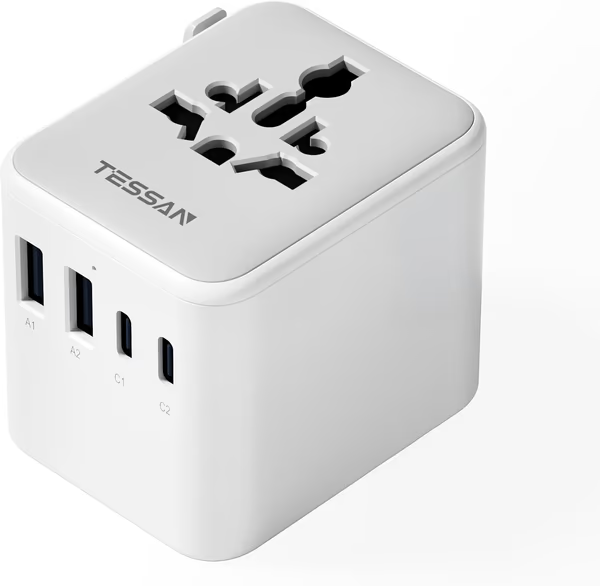
Read more →Beevago recommends: Pack for the break
A few things worth having before you go.



As an Amazon Associate we earn from qualifying purchases. This costs you nothing.